
Last updated November 24, 2026
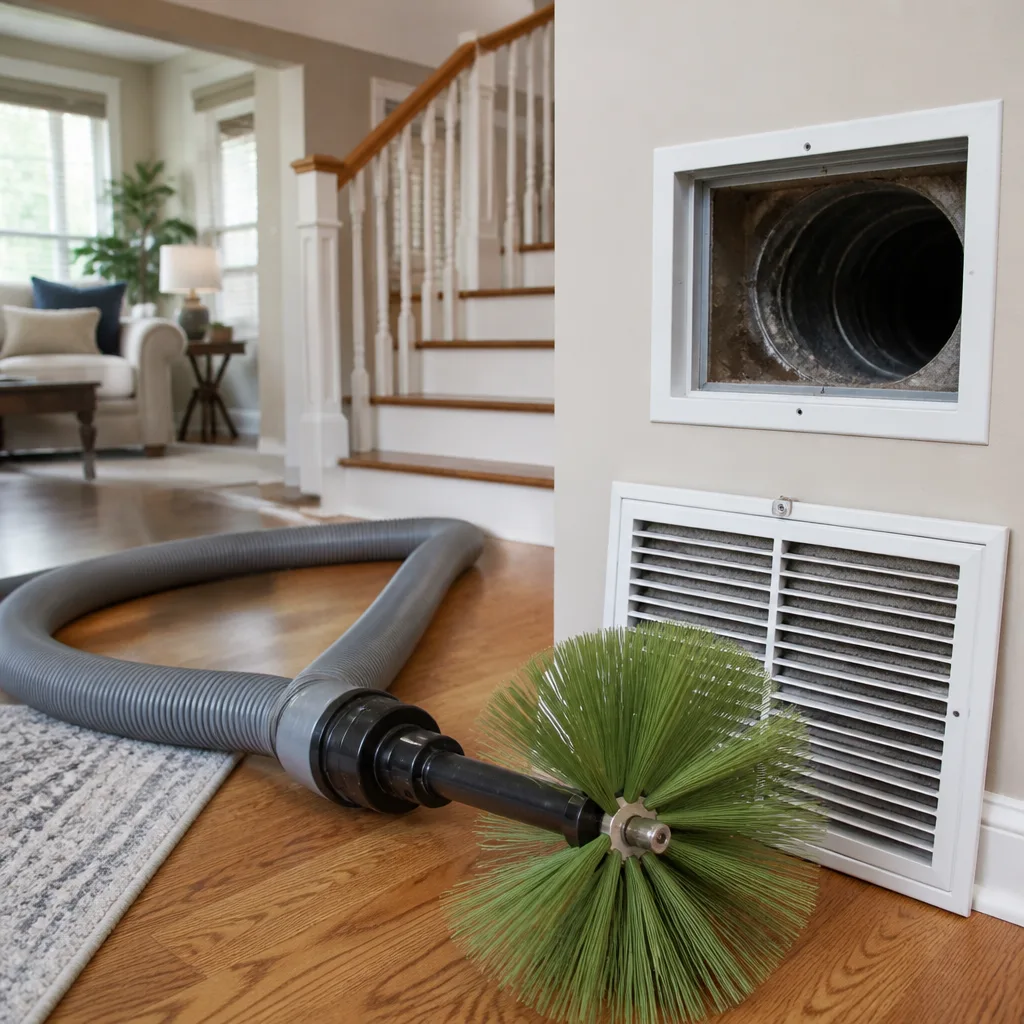 Whole-home duct cleaning
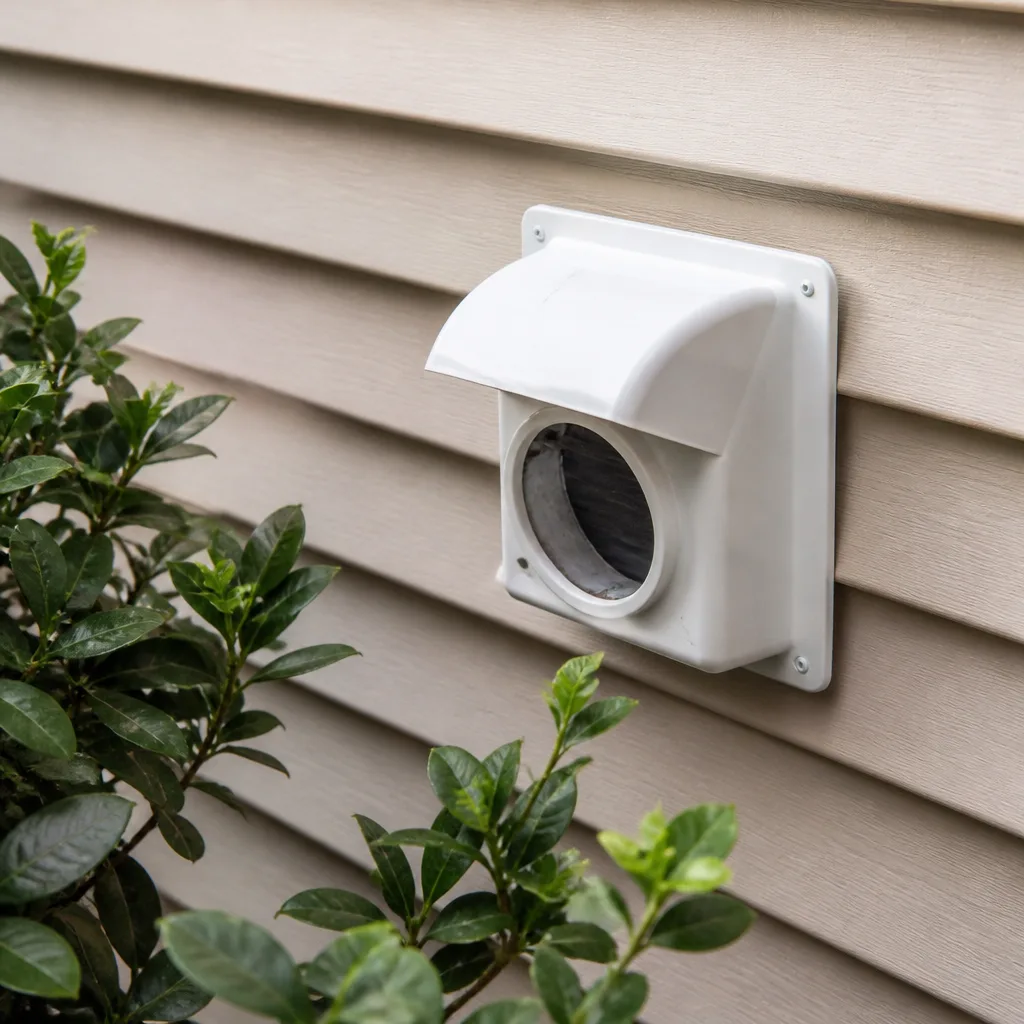 Dryer vent cleaning
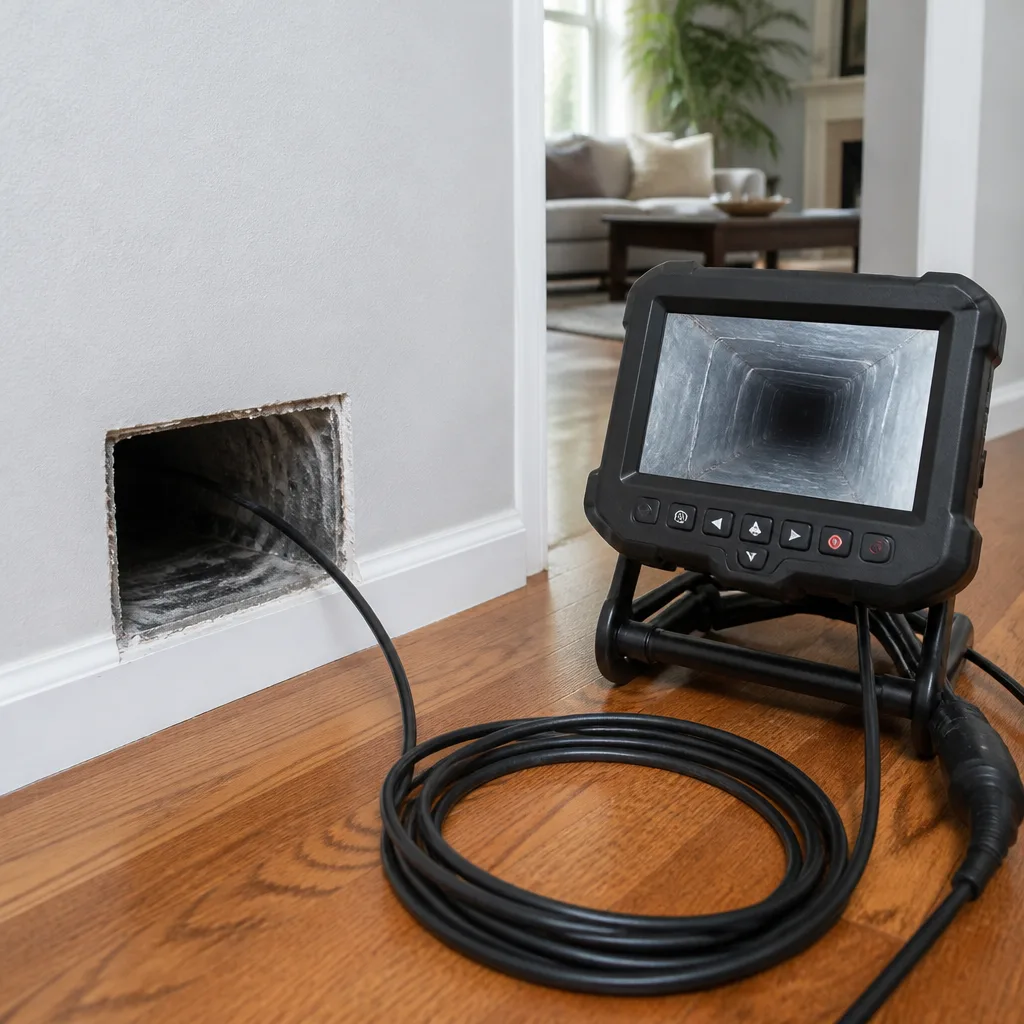 Camera inspection
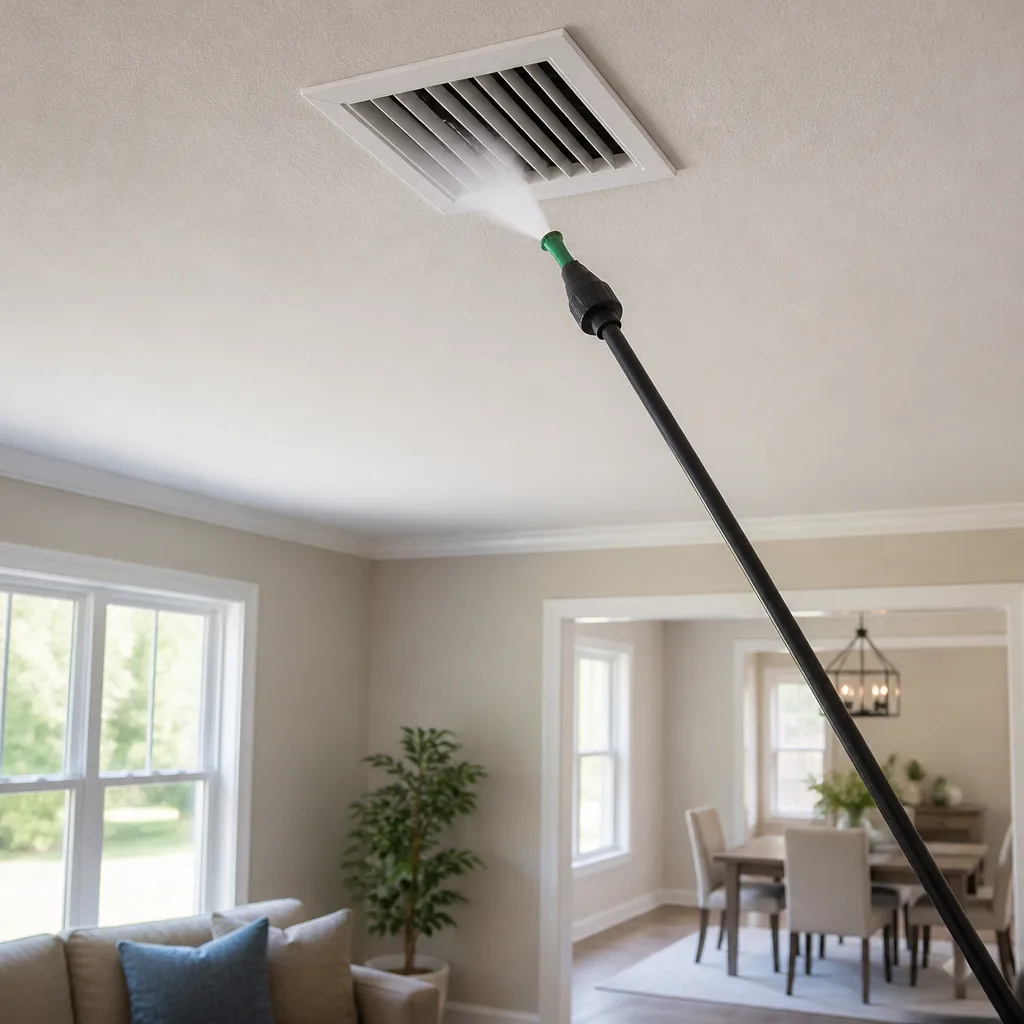 Sanitizing & deodorizing
Whole-system duct and dryer vent check with before-and-after photos - you see exactly what came out of your vents
That "$99 whole-house special" is a bait ad - the real number appears once they are in your hallway, or the "clean" is a shop-vac at the register. We photograph the inside of your ducts before and after instead.
Seasonal Air Duct Cleaning Care for Syracuse: Year-Round Homeowner’s Guide
Most duct-cleaning advice you’ll find online assumes you live somewhere with steady, average air quality. Syracuse doesn’t work that way. This city sits in a valley that regularly records some of Utah’s worst winter inversion days, and that single fact reshapes nearly everything about how a duct system here should be cared for. A homeowner in a mild-climate city might get away with a clean every few years and never think about it again. Here, the same house can load up twice as fast, then face a second stress season when summer construction and landscaping push fine debris through the return side. This guide builds a care calendar around what’s actually happening inside your ducts each season in Syracuse, from inversion-season filtration to furnace startup in fall.
Quick Answer
In Syracuse, Utah, air ducts need a seasonal assessment rather than a fixed “every three to five years” rule. Winter inversion events concentrate fine particulates in return ducts, spring construction nearby resets the debris clock, summer basement humidity raises condensation risk, and fall furnace startup locks in a season of accumulated dust if you run the system before an inspection. Most Syracuse homes do best on an inspection each fall and a full cleaning when the assessment shows real buildup.
Styles & brands we work with
- Whole-home duct cleaning
- Dryer vent cleaning
- Camera inspection
- Sanitizing & deodorizing
Table of Contents
- Why Syracuse Ducts Age Differently Than the National Average
- Winter: Inversion Season and What Your Filter Actually Catches
- Spring: Post-Inversion Debris Assessment and the Construction Reset
- Summer: A/C Coil Moisture and Basement Duct Condensation
- Fall: The Furnace Startup Protocol Most Homeowners Get Wrong
- How to Calibrate Your Cleaning Interval to Your Household
- What a Full-Pathway Service Visit Covers
- The Dryer Vent Belongs on the Same Calendar
Why Syracuse Ducts Age Differently Than the National Average
The standard duct cleaning interval you’ll see repeated across the internet was built around average conditions: moderate outdoor air, moderate humidity, moderate dust. Syracuse doesn’t offer average conditions for long stretches. The valley geography traps cold air in winter, and that trapped air holds whatever particulates are already in it, including fine PM2.5 from wood smoke, vehicle exhaust and industrial sources. Those particles don’t stay outdoors. They migrate indoors, and a duct system with any return-side leakage pulls them straight into the air pathway.
Then the season flips. Summer brings active construction and landscaping in and around Syracuse, and all of that generates a different kind of debris: drywall dust, sawdust, soil fines, concrete particulate. A duct system that handled winter fine particles reasonably well can be overwhelmed by summer coarse debris because the two loads behave differently inside the ductwork. Fine particles coat surfaces and load filters; coarse debris settles in return runs and collects at transitions.
This is why a single fixed cleaning interval doesn’t serve Syracuse homeowners well. The right question isn’t “how many years has it been?” It’s “what has this duct system been through since the last cleaning?” That answer changes with the seasons here in a way it simply doesn’t in flatter, cleaner-air markets.
If you’re new to the area or newly responsible for a Syracuse home, the best starting point is a full assessment before you commit to any interval at all. Start with a professional air duct cleaning evaluation so you know your actual baseline rather than guessing from the previous owner’s habits.
Winter: Inversion Season and What Your Filter Actually Catches
During an inversion event, the valley’s cold air sits beneath a warmer layer and stops mixing. Particulate concentrations climb, and the fine fraction (PM2.5) is the part that matters most for duct systems because those particles are small enough to travel deep into return runs and pass through loosely fitted filter frames. A return with even a small gap around the filter or at a joint becomes an open door for that load.
What actually intercepts it comes down to filtration rating and fit. Here’s how the common MERV ratings behave during inversion season:
- MERV 8: Captures larger particles well but lets much of the fine PM2.5 fraction pass. Common in older Syracuse homes and often the default builder filter.
- MERV 11: A meaningful step up for fine particles. A reasonable middle ground for many homes, though it can raise airflow resistance on older systems.
- MERV 13: Strong fine-particle capture, but only worth installing if your blower and duct design can handle the added static pressure. On undersized or leaky return systems it can do more harm than good.
The fit matters as much as the number. A MERV 13 filter sitting in a sloppy frame with visible gaps is functioning closer to a MERV 8. Sealing the filter housing and any obvious return leaks is often the highest-value winter move you can make before you spend more on filter media.
Our technicians have up to 12 years of experience reading exactly this kind of load, and the pattern in Syracuse is consistent: by late winter, return grilles show a grey film that tells you the system has been working hard to move fine particulate it was never designed to handle. That film is your cue to schedule an assessment once the inversion season breaks.
Spring: Post-Inversion Debris Assessment and the Construction Reset
Spring is the assessment season in Syracuse. The inversions break, windows open, and homeowners finally get a clear look at what winter left behind. This is the right time to inspect rather than assume, because spring is also when the second variable kicks in: construction.
New builds and remodels around Syracuse don’t just generate debris for the house being worked on. If a lot is being built or renovated nearby with shared or adjacent duct pathways in a multi-unit setting, or if your own home is undergoing any work, the dust load climbs fast. Even landscaping and grading push fine soil particulate into the air, and it finds its way indoors.
Here’s the spring assessment sequence we recommend:
- Pull and photograph the return grilles. Look for a uniform grey film (fine winter load) versus gritty, varied debris (construction load). The two call for different responses.
- Check the filter frame and return joints for gaps. Any visible light around the filter means unfiltered air is bypassing the media.
- Look inside a supply register for settled debris. A light dusting is normal. Visible accumulation or debris falling when you tap the boot is a cleaning signal.
- Note recent or nearby construction. If a build or major renovation happened within the last year, your cleaning clock resets regardless of how long it’s been since the last service.
- Book a professional assessment if items one through four turn up anything beyond light dust.
The construction reset is the point most homeowners miss. A duct system that was cleaned before a remodel needs another look after, not because the last cleaning failed but because the load changed entirely. Treat a nearby major construction cycle as a reset event, not something to average into a multi-year schedule.
Summer: A/C Coil Moisture and Basement Duct Condensation
Summer in Syracuse brings a different problem: moisture. The air conditioning coil is wet by design; it condenses water out of the air as it cools. That moisture is normally managed by the drain pan and condensate line. When those are clogged, slow, or the coil is caked with dust, the moisture has nowhere clean to go, and the whole system stays damp during the highest-demand weeks of the year.
Many Syracuse-area new builds include partially finished basements, and that’s where condensation risk concentrates. Basement ducts run through cooler, more humid spaces than the conditioned upstairs. When a cool supply duct passes through a warm, humid basement, condensation forms on the outside of the duct, and over a season that moisture feeds dust, dust feeds microbial growth, and the whole pathway degrades.
What to watch for in summer:
- Water staining or rust at duct joints in the basement
- A musty smell when the A/C first kicks on
- Condensate drain that drips slowly or not at all
- Visible dust matting on the evaporator coil (check with the system off)
Cleaning the HVAC unit and coil isn’t the same job as cleaning the ducts, but they belong together. A dirty coil from a system with dirty ducts stays dirty; a clean coil behind dirty ducts just gets re-coated. If you’re scheduling HVAC cleaning, it’s worth having the duct side assessed in the same visit so the two aren’t fighting each other. On the equipment side, this is where a specialist matters: consumer shop vacuums and surface wipes don’t remove what’s bonded to a coil or settled deep in a return run. Contact-vacuum systems like Rotobrush are built for the job, and Abatement Technologies air scrubbers keep the dislodged debris contained in the workspace rather than redistributing it into your living space.
Fall: The Furnace Startup Protocol Most Homeowners Get Wrong
This is the single most misunderstood move of the year. When the first cold snap hits Syracuse, most homeowners walk to the thermostat and flip the furnace on. That’s the wrong order. Running the furnace before an inspection pulls a full summer and fall of accumulated dust through the system at heat-exchange temperatures, and that dust bakes onto components, coats the heat exchanger, and blows into every room. A season of buildup gets distributed in a single startup.
The right order is inspection first, startup second. Here’s the fall protocol:
- Schedule the duct assessment in early fall, before the first cold night, not after.
- Change the filter, even if it looks okay. A filter loaded from summer blocks airflow and forces the blower to work harder from the first minute.
- Have the assessment cover return grilles, supply boots, the blower compartment and the coil face.
- If buildup is present, clean before running the heat for the season. The dust that’s already in the ducts shouldn’t be heated and redistributed.
- Seal return-side leaks identified during assessment. This is the highest-value step for winter inversion readiness, and it’s better done in fall than in the middle of the season.
In our experience, this fall protocol changes the winter outcome for Syracuse homes more than any other single action. The system enters inversion season clean, sealed, and filtered correctly, which means the winter fine-particle load has less place to stick and less to feed on.
How to Calibrate Your Cleaning Interval to Your Household
Seasonal baselines matter, but they aren’t the whole story. The right cleaning interval in Syracuse is a function of what’s actually in your home, layered on top of the seasonal cycle. Here’s how to think about it.
Start with the seasonal baseline. For most Syracuse homes, that’s a fall assessment every year and a full cleaning when the assessment shows real buildup. That might mean cleaning in year one, year three, or on a longer cycle, depending on the home. The point is the assessment is the trigger, not the calendar.
Then adjust for household factors:
- Pets: Fur and dander collect faster than airborne dust and tend to mat on return grilles and filter media. Homes with pets typically need shorter intervals and more frequent filter changes.
- Renovation: Any major remodel resets the cleaning clock. Treat post-renovation as a new baseline, not a continuation of the old one.
- Occupant allergies or asthma: These households benefit from tighter intervals because the fine-particle load that builds in a duct system matters more when occupants are sensitive to particulates.
- New construction nearby: As above, a build cycle in the area is a load event. Factor it in even if your own home isn’t being touched.
- Older duct design: Homes with more duct leakage, flexible runs, or original equipment from decades past tend to accumulate faster because there’s more surface and more leakage to feed the build.
Layer these on top of the seasonal baseline and you get a schedule that fits your home instead of a generic rule of thumb. A two-pet household with an allergy sufferer in a leaky older Syracuse home on a construction-adjacent block is on a shorter cycle than a clean, sealed, pet-free home in the same city. That’s not marketing; that’s how the load actually works.
What a Full-Pathway Service Visit Covers
A real duct service isn’t just a wand down the register. It’s a full-pathway job that covers the whole system that moves air through your home: returns, supplies, the HVAC unit itself, and the seams where they meet. Doing one part and skipping the others leaves the loop half-done, which is why a single specialist visit that covers the whole pathway beats a piecemeal approach spread across multiple contractors.
A thorough visit typically involves:
- Pre-service inspection and documentation of returns, supplies, the HVAC unit and the coil face.
- Contact-vacuum cleaning of the duct runs with agitation to loosen bonded debris.
- Negative-air containment during service so dislodged particles are captured rather than redistributed.
- HVAC unit and coil cleaning where buildup is present.
- Duct repair and sealing of return-side leaks and joints identified during inspection.
- Post-clean sanitizing where appropriate for the system and household.
This whole-pathway scope is the difference between a surface clean and a system clean. It’s also why the equipment matters. Rotobrush contact-vacuum systems and Nikro negative-air machines are the tools specified in professional duct remediation work, and Abatement Technologies air scrubbers protect indoor air during the job. A general contractor with a shop vacuum can’t do what these tools are designed to do, and the gap shows up in what’s left behind. The technicians the Syracuse Air Duct Cleaning Pros connect you with work with this grade of equipment because the work requires it.
For homes that want to move from cleaning to long-term air quality improvement, a specialist can also work with Honeywell and Aprilaire components, including filtration upgrades, media cabinets and ventilation accessories that fit the system you already have.
The Dryer Vent Belongs on the Same Calendar
Dryer vents are the part of the air pathway most homeowners forget, and they’re the part with the most serious consequence. Lint buildup in a dryer vent is a documented leading cause of residential fires, and the signs are easy to miss until they’re not: clothes taking noticeably longer to dry, the dryer feeling hot to the touch, or a burn smell near the back of the unit. A seasonal calendar that handles the furnace and A/C ducts but ignores the dryer vent isn’t a complete air-path calendar.
Treat dryer vent cleaning as a seasonal task alongside the fall assessment. It’s a short job, and it’s the one with the highest safety ROI in the whole house. It also fits into the same visit as the duct service, so it doesn’t need its own appointment.
Common Mistakes to Avoid
- Running the furnace before the fall inspection. This bakes accumulated summer and fall dust into the heat exchanger and redistributes it through every room. Inspect first, then start the heat.
- Treating the “every three to five years” rule as a schedule. That rule assumes average air quality conditions. Syracuse’s inversion season makes it unreliable. Assess annually and clean based on what the assessment shows.
- Upgrading to a MERV 13 filter on an undersized system. Higher filtration only helps if the blower and duct design can handle the added static pressure. On a leaky or undersized system, it can reduce airflow and cause new problems.
- Skipping the filter frame gaps. A high-rated filter sitting in a sloppy frame works like a cheap one. Seal the frame before spending on media.
- Ignoring construction nearby. A build or major remodel resets the cleaning clock, even in an adjacent home with shared pathways. Don’t average it into a multi-year schedule.
- Cleaning the ducts but not the HVAC unit. A clean duct system feeding a dirty coil just re-coats the coil. Clean both in the same visit.
- Forgetting the dryer vent. Lint accumulation in a dryer vent is a real fire hazard. It belongs on the same seasonal calendar as the furnace ducts.
See the difference
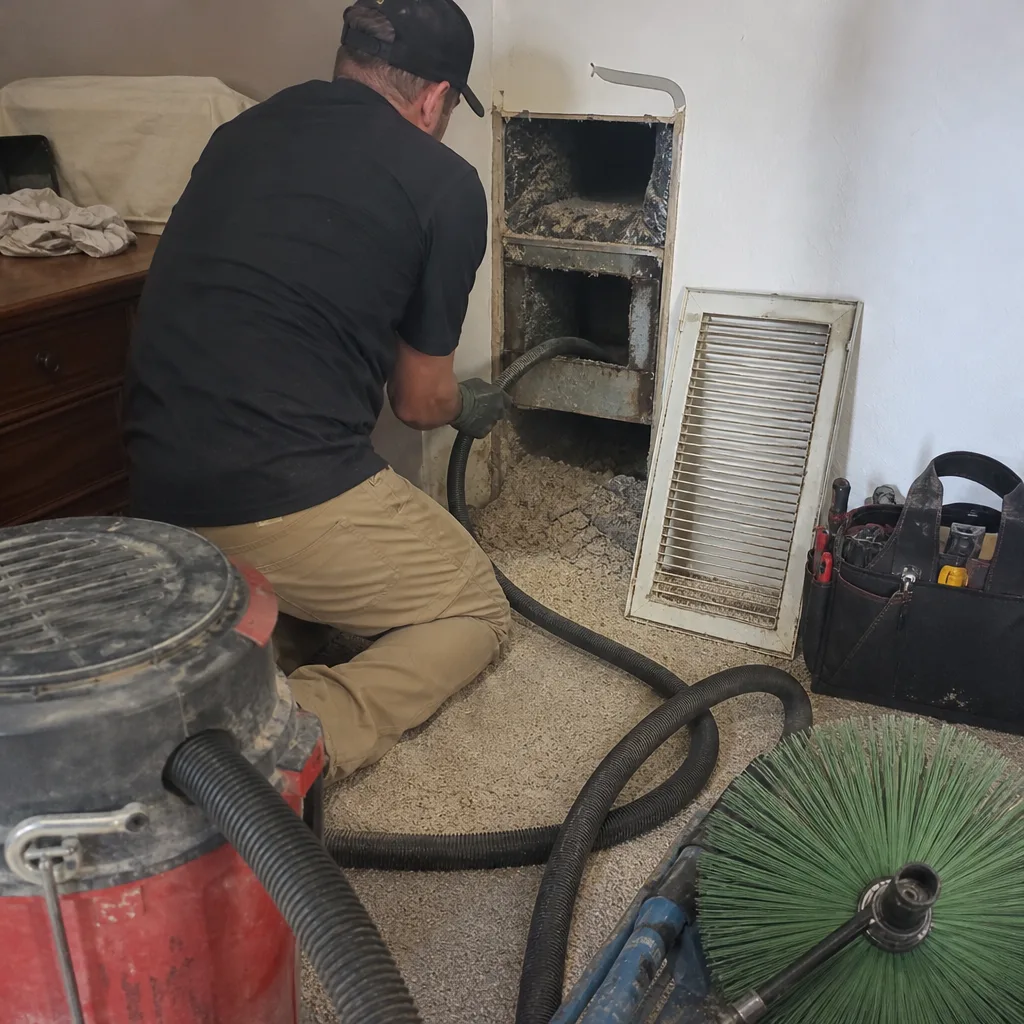 Before
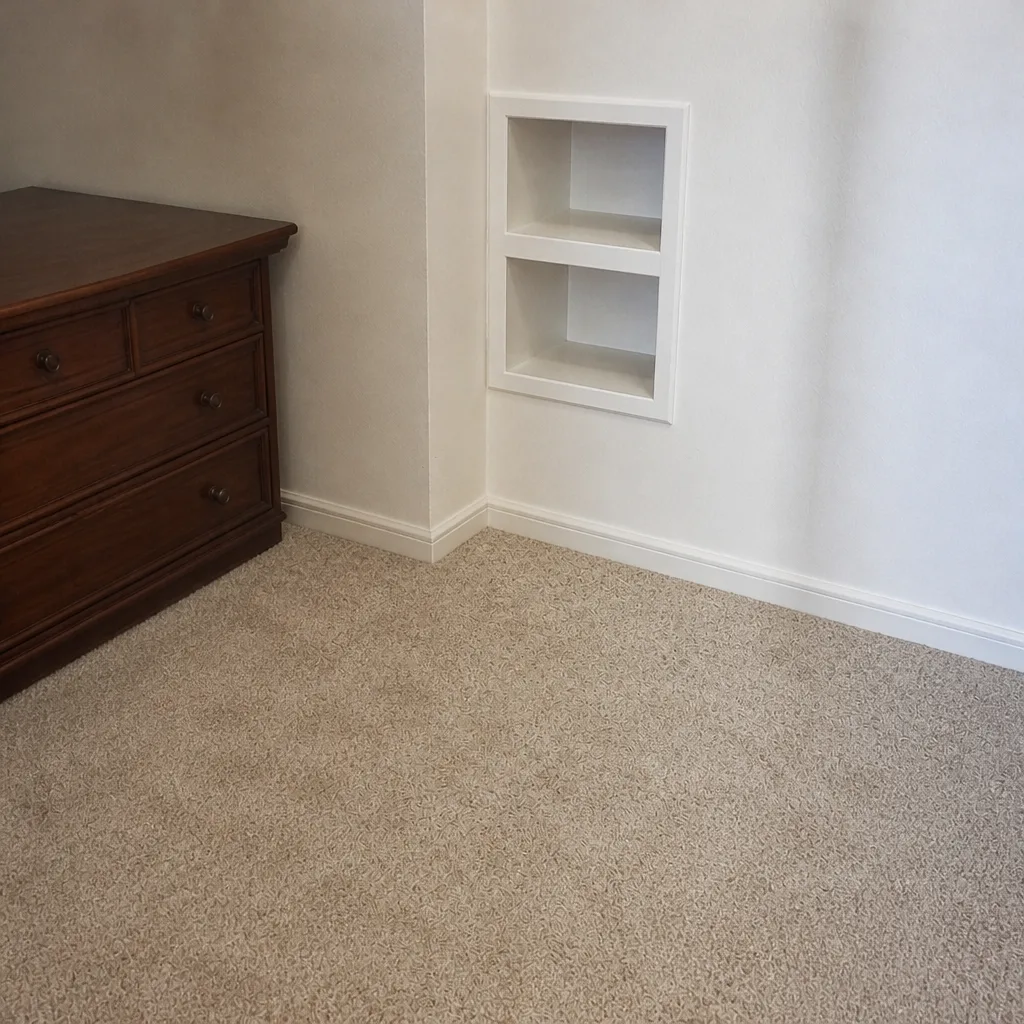 After
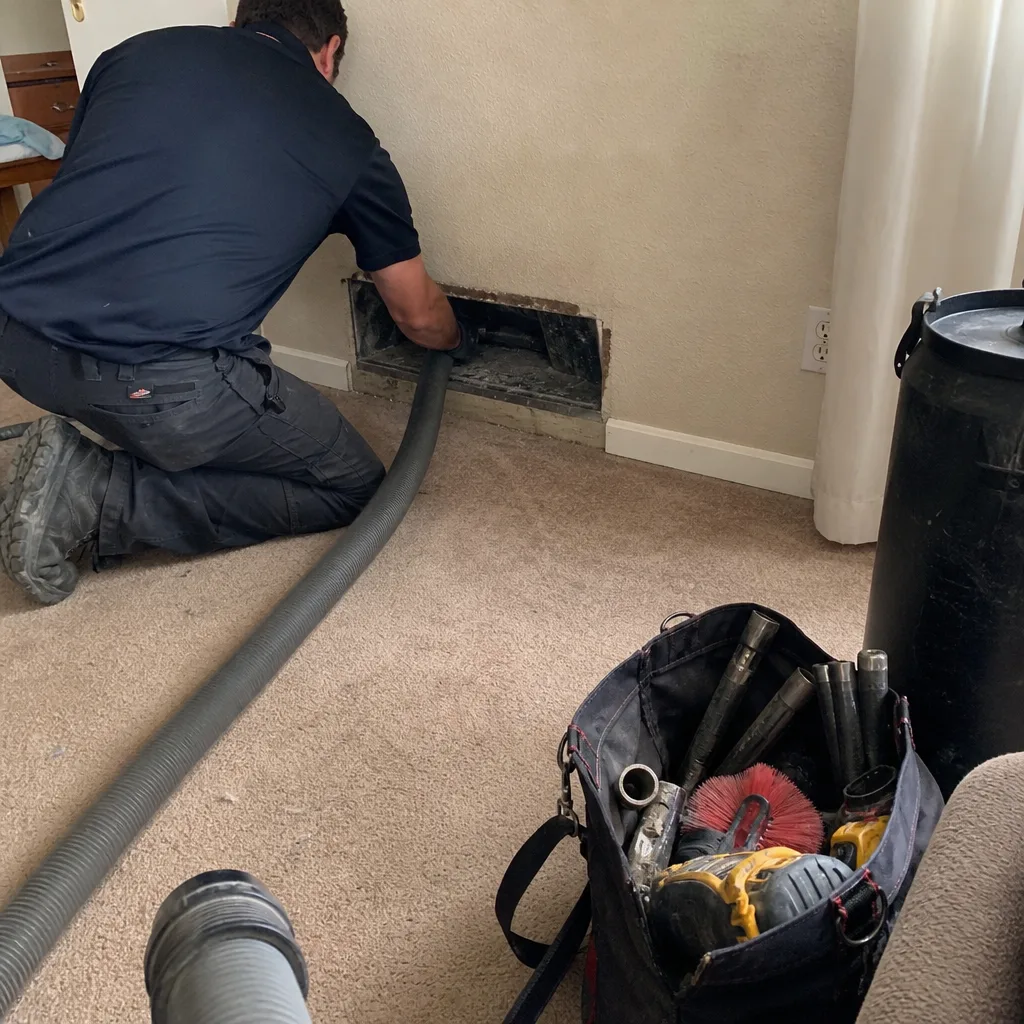 Before
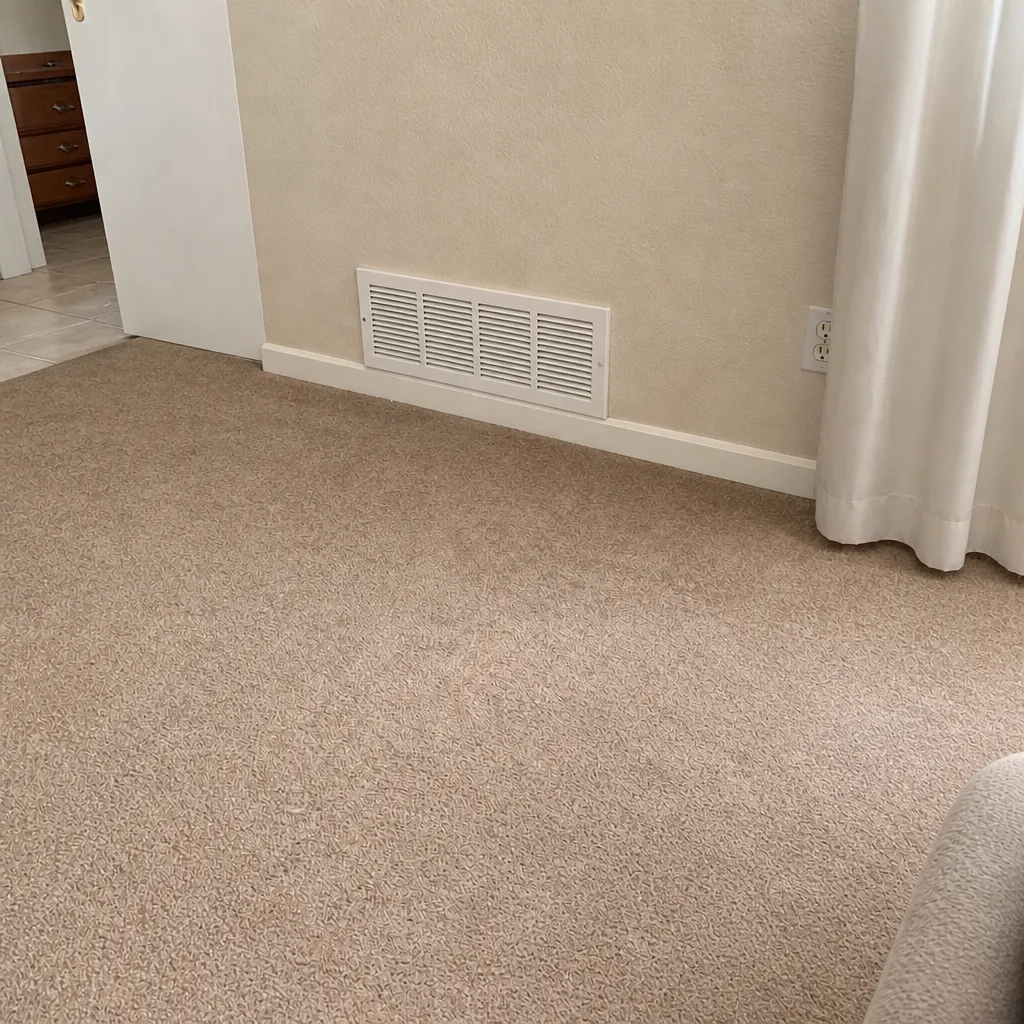 After
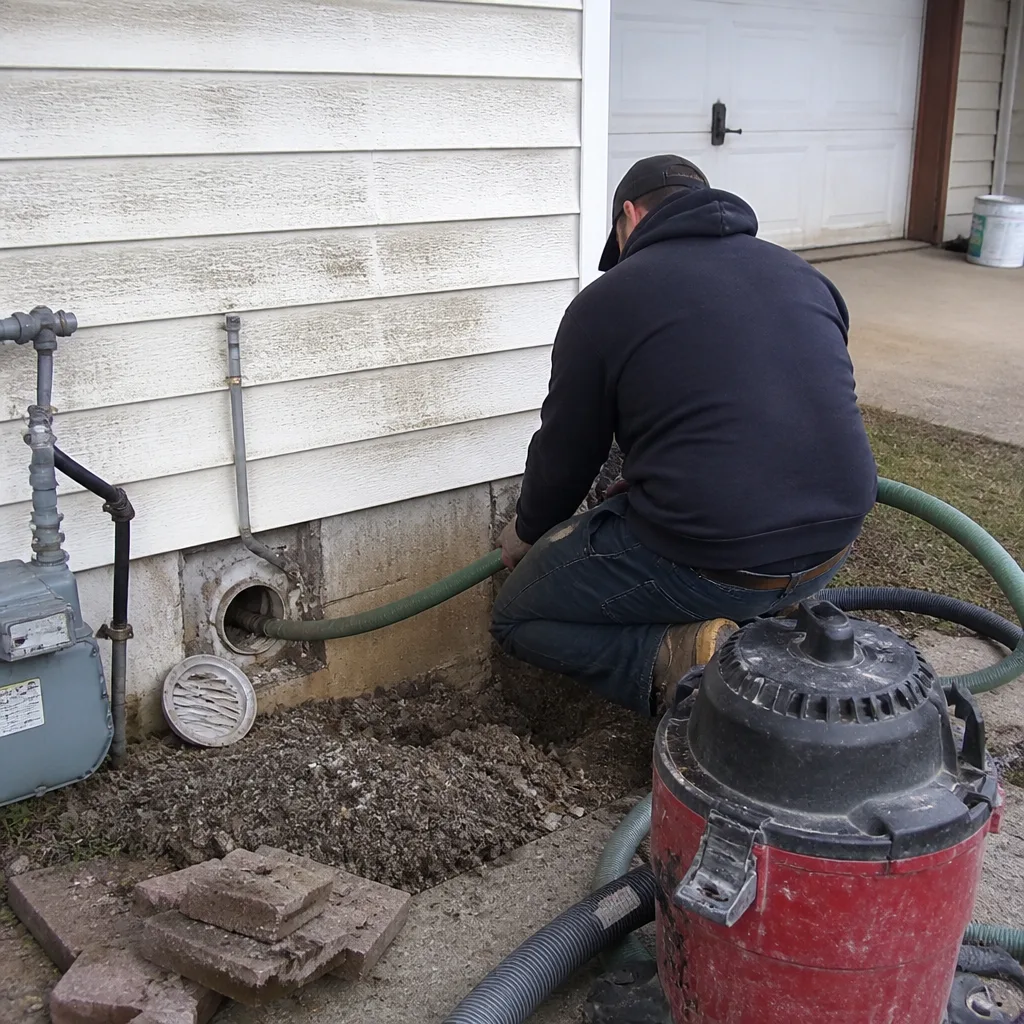 Before
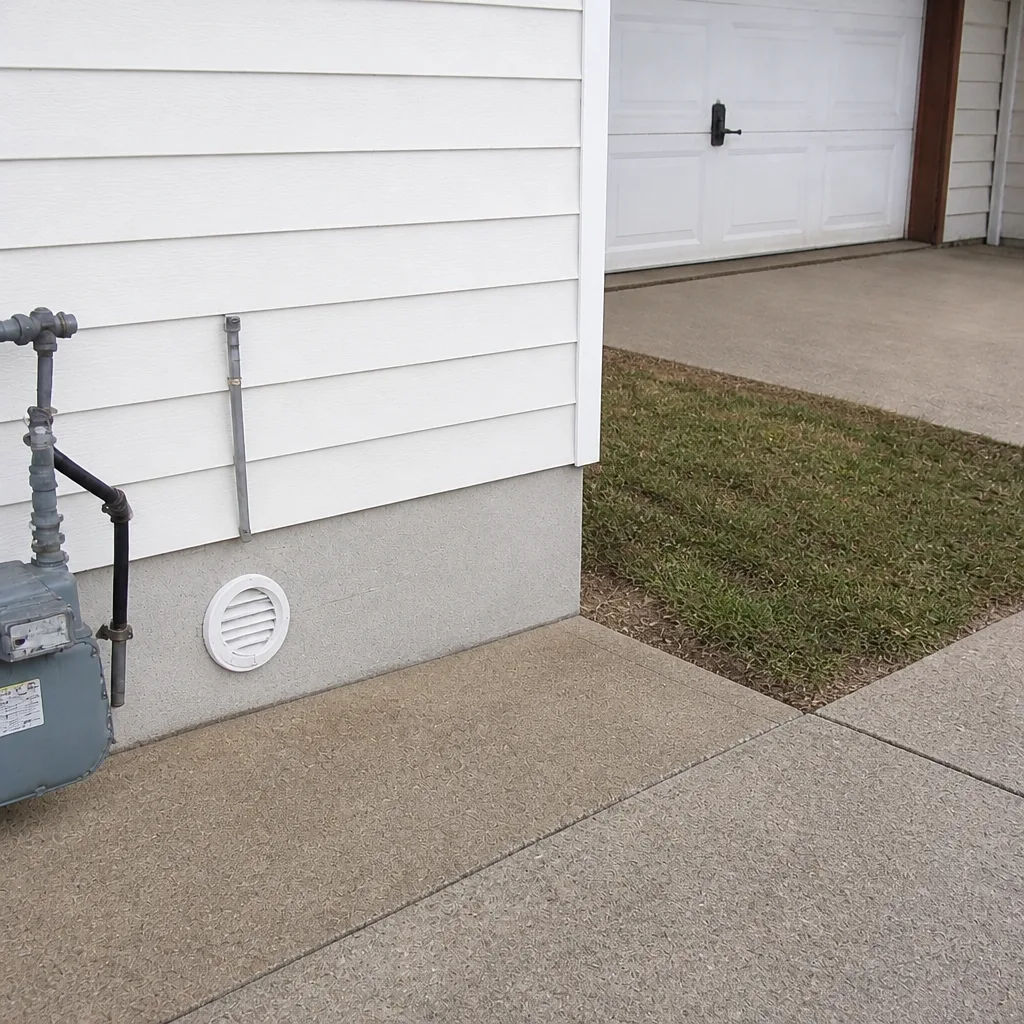 After
When to Call a Professional
Some seasonal checks are homeowner-level: pull a filter, look at a return grille, note a musty smell when the A/C starts. Others need a trained eye and professional equipment. Call a professional if you’re seeing visible debris accumulation in the return runs or supply boots, if you’ve had a renovation or new construction nearby within the past year, if occupants have allergy or asthma symptoms that get worse when the system runs, if you notice musty odors or moisture staining in basement ducts, or if the furnace startup is producing a dusty smell that doesn’t clear within an hour. Our technicians have up to 12 years of experience assessing exactly these loads in Syracuse homes, and the assessments don’t require guesswork. Syracuse Air Duct Cleaning Pros offers free estimates in Syracuse. Call (833) 549-7193. We answer 24/7. Fast dispatch from 7am to 7pm, Sunday through Friday.
Frequently Asked Questions
Most Syracuse homes benefit from an annual fall assessment and a full cleaning whenever the assessment shows real buildup, rather than a fixed multi-year interval. The valley’s winter inversion season concentrates fine particulates in return ducts, and nearby construction in summer resets the cleaning clock, so the right interval depends on your home’s load, not a calendar. For an exact cleaning recommendation for your house, call (833) 549-7193 and ask for a free estimate.
Yes. Inversion events trap particulate matter in the valley, including fine PM2.5, and return-duct leakage draws that particulate indoors. Filters with higher MERV ratings capture more of it, but only if the filter frame and return joints are well-sealed. If you’re noticing grey film on return grilles by late winter, that’s the load showing up.
That smell is accumulated dust being heated and distributed through the system. Running the furnace before an inspection locks in a full season of buildup onto the heat exchanger and into the air. The better order is inspection first, cleaning if needed, then furnace startup. If the smell persists for hours after startup, book an assessment.
No. MERV 13 captures more fine particulates than MERV 8 or 11, but higher filtration raises airflow resistance, and older Syracuse systems with undersized or leaky returns may not handle it. Sealing the filter frame and return leaks often delivers more fine-particle capture than a higher-rated filter in a leaky housing. Ask an HVAC specialist before upgrading filtration.
Yes. New construction around Syracuse generates substantial debris, and construction particulate often finds its way into a new home’s duct system before the first full season. A post-construction assessment is worth doing even in a brand-new house, and it’s the best time to catch any return-side leaks while they’re easy to seal.
Yes, and they belong on the same seasonal calendar. Lint accumulation in a dryer vent is a leading cause of residential fires, and the sooner it’s cleared, the better. Dryer vent cleaning can be scheduled alongside duct service so it doesn’t need its own appointment.
The Bottom Line
Syracuse, Utah isn’t a “clean the ducts every few years and forget it” market. The winter inversion season, the summer construction cycle, basement moisture in newer builds and the fall furnace startup all interact to reshape how a duct system ages here. The working formula is a fall assessment every year, a full cleaning whenever the assessment shows real buildup, correct filtration on a well-sealed frame, and the dryer vent on the same calendar. For an honest, no-guesswork assessment of your own home, call (833) 549-7193. We answer 24/7. Fast dispatch from 7am to 7pm, Sunday through Friday. Free estimates, and a written estimate before any work begins.
Written by the team at Syracuse Air Duct Cleaning Pros.