
Last updated November 24, 2026
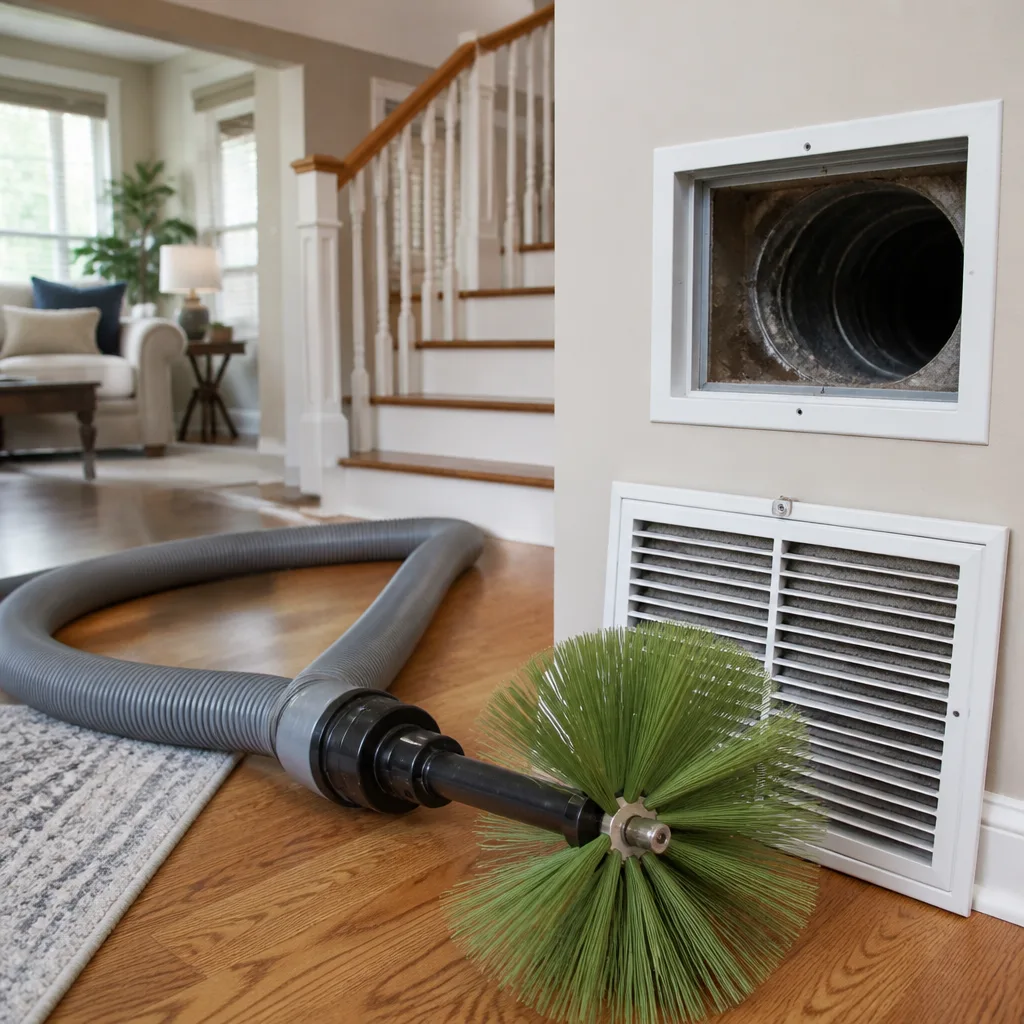 Whole-home duct cleaning
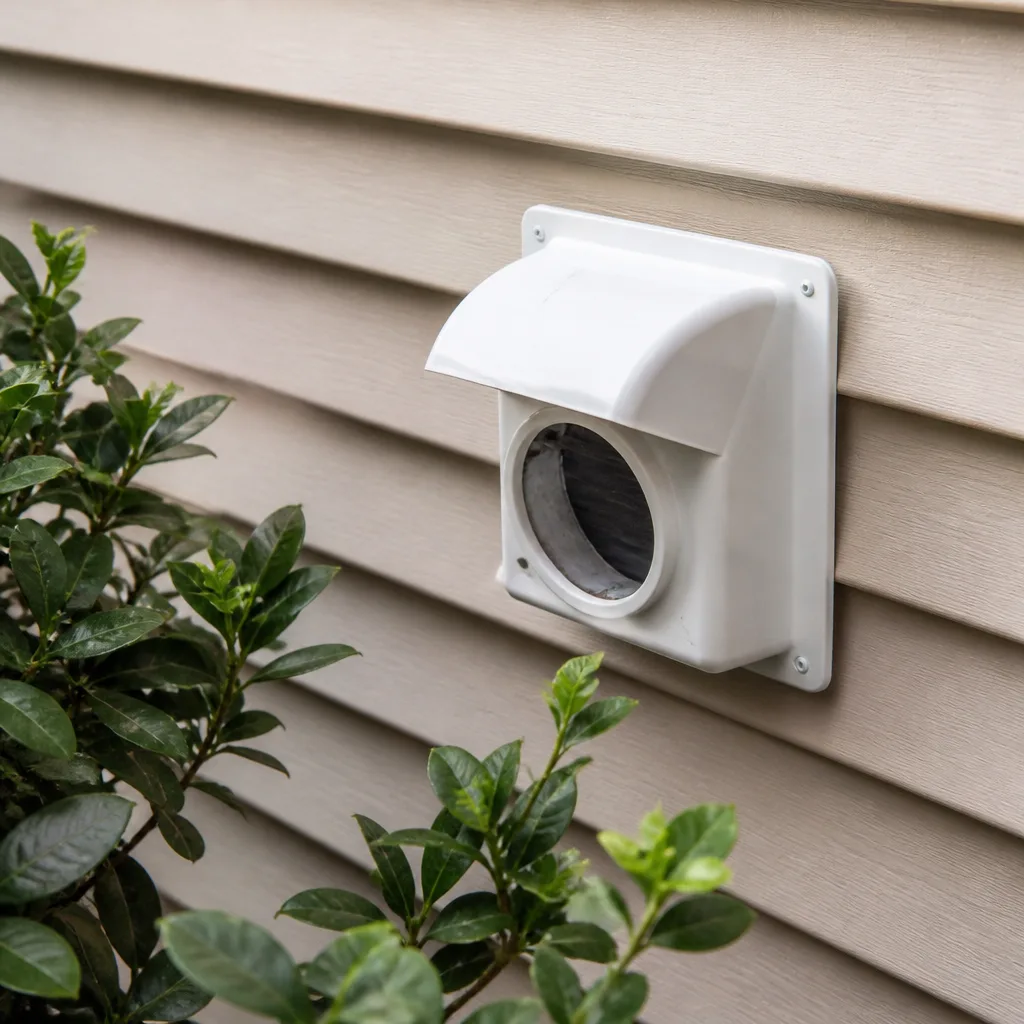 Dryer vent cleaning
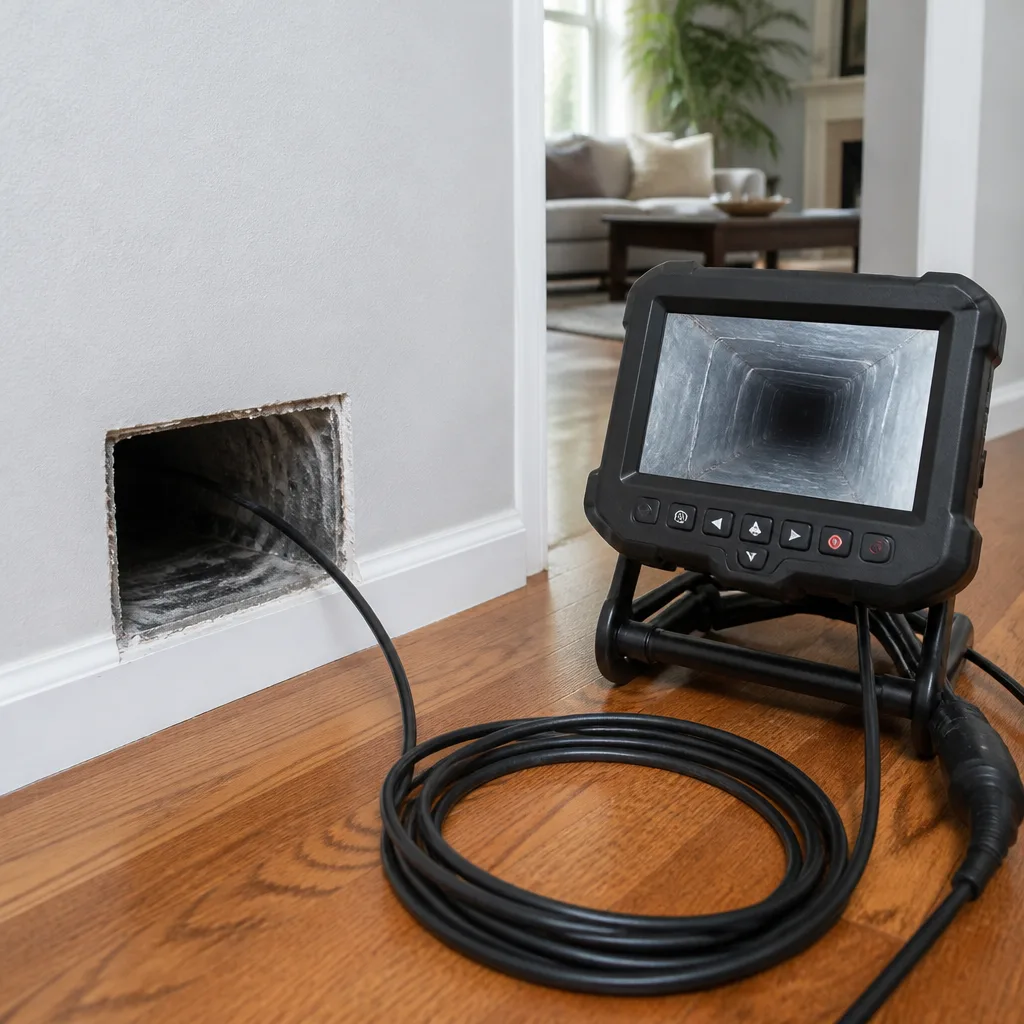 Camera inspection
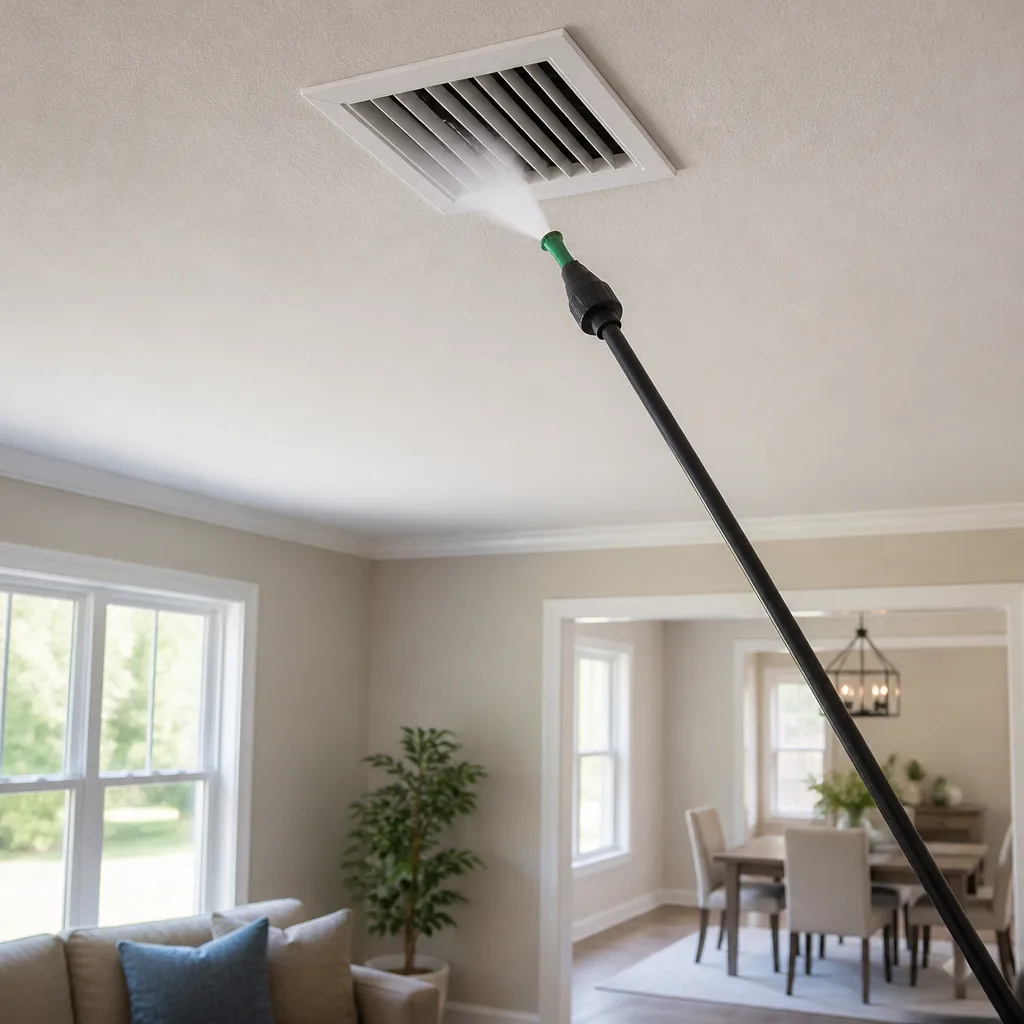 Sanitizing & deodorizing
Whole-system duct and dryer vent check with before-and-after photos - you see exactly what came out of your vents
That "$99 whole-house special" is a bait ad - the real number appears once they are in your hallway, or the "clean" is a shop-vac at the register. We photograph the inside of your ducts before and after instead.
Air Duct Cleaning Emergency Preparedness Guide for Syracuse Homes
Most homeowners treat duct cleaning as maintenance. Something to get around to eventually, like replacing a furnace filter or vacuuming behind the refrigerator. That framing breaks down fast when something actually goes wrong. A wildfire smoke plume rolls over the Wasatch Front, a supply line bursts in the basement, a family of mice chews through a flex run, or a small electrical fire leaves soot in the return trunk. In those moments, a standard cleaning isn’t the right response, and treating it like one can push contamination deeper into the system instead of pulling it out. This guide walks through the four emergency scenarios Syracuse-area homeowners actually face, the correct response sequence for each, and how to shut your system down before help arrives.
Quick Answer
Duct contamination emergencies differ from routine cleanings because the goal shifts from dirt removal to containment and remediation. Smoke infiltration, post-flood mold, pest infestation, and fire residue all require a defined sequence: stop the system first, assess moisture or contamination, then bring in restoration-grade equipment. In Syracuse, the most common trigger is smoke from regional wildfire events, followed by spring snowmelt flooding and rodent intrusion during cold snaps.
Styles & brands we work with
- Whole-home duct cleaning
- Dryer vent cleaning
- Camera inspection
- Sanitizing & deodorizing
Table of Contents
- Wildfire Smoke and Inversion Events
- Post-Flood Duct Contamination
- Pest Infestation Emergencies
- After an HVAC System Fire
- How to Shut Down Your System Safely
- Building a Duct Emergency Kit
- Common Mistakes to Avoid
- When to Call a Professional
Wildfire Smoke and Inversion Events: Why Your Ducts Trap PM2.5
When a fire season pushes smoke into the Wasatch Front and a temperature inversion settles over the valley, most homes do exactly what seems logical. They close the windows and run the HVAC harder. That’s the right instinct for keeping smoke out of the living room, but it creates a secondary problem: your system keeps pulling outside air and fine particulate into the return side of the ductwork, where standard filters capture only a fraction of it. The rest settles in the trunk lines, the plenum, and the supply branches, where it sits until it gets stirred up again.
PM2.5, the fine particulate that gives wildfire smoke its health impacts, is small enough to bypass most 1-inch fiberglass filters entirely. Even a decent pleated filter catches the larger particles and lets the fine stuff through. Over the course of a multi-day smoke event, that fine material accumulates. When the smoke clears and you go back to normal operation, you’re recirculating some of what settled.
What an appropriate post-event response includes
- Replace the filter after the event ends, not just before it starts. A loaded filter from the smoke event does nothing for you afterward.
- Inspect the return plenum and the first several feet of the supply trunk. Those are where most fine particulate settles.
- Run the system in fan-only mode with windows closed for 24 hours after a smoke event to give a fresh filter time to do its work.
- Schedule a professional air duct cleaning if the accumulation is visible or if anyone in the home has asthma or other respiratory sensitivity.
When HEPA filtration upgrades are warranted
If your ducts have already been cleaned but smoke events keep producing symptoms, a filtration upgrade on the return side makes more sense than repeated cleanings. That’s the point where we discuss Honeywell or Aprilaire filter cabinets, which hold deeper media and capture finer particulate than any slot-in filter. In Syracuse households with a family member who reacts to every smoke event, that upgrade path usually pays off in the years between cleanings.
Post-Flood Duct Contamination: The 48 to 72 Hour Window
Water damage in a home doesn’t always reach the ductwork directly. It doesn’t need to. A basement flood raises ambient humidity throughout the house for days, and if the HVAC system runs during that period, it pulls that humid air straight through the return ducts. Any dust or organic material already sitting in the ductwork becomes a growth substrate. Mold can begin colonizing within roughly 48 to 72 hours of a moisture event. Once it starts in flexible duct liner or fiberglass insulation inside a duct, cleaning alone won’t fix the problem, because the growth is inside the material.
This is where homeowners often make a serious mistake: they call a duct cleaner immediately after a flood, before a moisture assessment has been done. Standard cleaning before the moisture question is settled can spread spores through a system that hasn’t been dried out. The correct sequence is different.
The proper post-flood sequence
- Stop running the HVAC system until a moisture assessment has been completed. That means thermostat off, fan off.
- Get the house dried professionally. Water damage restoration crews follow IICRC S500 standards for drying, and those same standards govern when duct work can resume. Your restoration contractor should tell you when ambient moisture in the home is back to normal.
- Once the building is dry, have the duct system inspected for internal moisture and visible growth. This is a physical inspection, not a visual scan of the registers.
- If contamination is confirmed, professional remediation with containment comes before any cleaning. That’s where the Abatement Technologies air scrubbers earn their keep, capturing what’s dislodged instead of redistributing it.
- Replace or seal any duct runs that show internal growth in porous material. Some flex runs can’t be saved, and trying to clean them is a waste of money.
If your home in Syracuse was affected by snowmelt flooding this spring, don’t treat the ducts as a follow-up project. Get the assessment on the calendar while the house is still being dried. The two processes need to be sequenced, not run in parallel.
Pest Infestation: When Rodents Move Into the Ducts
Rodent intrusion into residential ductwork is more common in Syracuse than many homeowners assume, particularly during the first hard freeze of the season. Mice and rats look for warm, protected shelter, and a duct system offers both. Once inside, a rodent doesn’t just leave droppings. It shreds insulation to build nests, leaves urine trails along the duct floor, and can chew through flexible duct connections entirely, creating leaks that dump conditioned air into wall cavities.
The presence of droppings or nesting material in ductwork is a remediation problem, not a cleaning problem. The difference matters because of the pathogen risk. Rodent urine and feces can carry hantavirus, and hantavirus is transmitted through aerosolized particles. A homeowner who opens a register and vacuums with a shop vac is potentially aerosolizing those particles into the room. We don’t recommend any DIY handling of contaminated duct material, and we say that as a straightforward safety statement, not a scare tactic.
What pest duct remediation actually involves
- Full PPE during any opening or removal of contaminated materials, including respirator and sealed gloves.
- Containment with negative air pressure before any physical disturbance, so airborne particles get pulled to a HEPA filter instead of into living space.
- Removal of all nesting material, contaminated insulation, and any chewed flex runs.
- Disinfection of accessible duct surfaces with an appropriate sanitizing agent after physical removal.
- Identification and sealing of the entry point. Without that step, the problem returns.
- Post-service verification of airflow and a fresh filter before the system goes back into operation.
We’ve handled several rodent duct situations in Syracuse where the homeowner wanted to try to save the flex runs. In our experience, once a rodent has been through a run of flex, it’s not recoverable. The damage is inside the material, and patching doesn’t address the contamination. Replacement of affected runs is the honest answer.
After an HVAC System Fire: Restoration-Grade Cleaning vs. Standard NADCA Cleaning
A small fire inside an HVAC system, whether in the blower motor, the control board, or the surrounding wiring, leaves a residue problem that a standard duct cleaning doesn’t solve. Smoke from an electrical fire carries fine soot particles that adhere to duct walls and settle into insulation. Soot is acidic and it holds odor. If it stays in the system, every time the fan runs, you smell it. Worse, the particles are fine enough to flow back into living space through the supply registers.
Standard NADCA-adherent cleaning is designed for accumulated dust and debris in a duct system operating under normal conditions. Fire aftermath cleaning is different. It uses restoration-grade equipment and containment protocols borrowed from the water damage and fire restoration trades, because those crews are set up to deal with combustion byproducts and odor. That’s the environment we work in on fire-related jobs.
What changes in a restoration-grade clean
- Contact vacuuming with brush agitation, using Rotobrush equipment to physically loosen adhered soot, not just pull free debris.
- Negative air pressure established before any agitation begins, so soot that gets airborne moves to a filter instead of the living room.
- HEPA-filtration air scrubbers running continuously during the work, containing the particles dislodged during cleaning.
- Sealing of accessible seams and joints after cleaning, since soot residue tends to re-appear at leak points and gasket failures.
- Post-cleaning sanitizing or odor-neutralizing treatment as a separate step.
One point that gets missed: the residues from a fire can migrate between the duct system and the surrounding building cavities. If the fire was significant enough to involve structural materials, the restoration contractor handling the structure and the duct specialist handling the system should be coordinated. In Syracuse we’ve worked jobs where that coordination made the difference between the smell coming back and it staying gone.
How to Shut Down Your System Correctly During an Emergency
The single most important thing you can do in the first ten minutes of any duct-related emergency is stop the airflow. A running system is a delivery mechanism. It moves contamination from the point of origin into every branch and every room. Shutting it down correctly isn’t difficult, but there’s a sequence.
- Turn the thermostat to OFF, not just to a temperature setting. If your thermostat has a separate fan switch, set it to AUTO or OFF, never ON. Fan-only mode keeps circulating air and defeats the purpose.
- Close the supply and return registers in the affected areas, if the contamination is localized to one part of the house. This includes any fresh-air intake, if your home has one.
- If the emergency involves water, smoke, or fire, cut power at the air handler disconnect. Every HVAC air handler should have a dedicated switch or breaker. If you don’t know where it is, find the breaker panel and identify the circuit labeled for the furnace or air handler. Never reach into the unit itself, and don’t attempt to inspect wiring, motor windings, or components near the fire source. Those are areas that call for a trained professional.
- Seal the return duct openings in the affected rooms with plastic sheeting and tape if contamination is airborne and widespread. This buys you time until a technician arrives.
- Call for professional help. Don’t restart the system for a test.
For a smoke event from a fire, a flood, or a rodent intrusion, the system stays off until a technician has inspected it. Restarting the fan before an inspection can pull contamination into previously clean runs. We’ve seen it happen on jobs where the homeowner turned the system back on to see whether things had improved. They hadn’t.
Building a Duct Emergency Kit Before You Need One
The best way to handle a duct emergency is to have the response ready before the event. This isn’t a full home survival kit. It’s a small set of items and pieces of information you gather while things are calm, so that when a smoke event or a burst pipe happens, you’re not doing research at midnight.
- A spare filter of the correct size for your system, stored dry and flat. Replacement after any contamination event is step one.
- Two rolls of wide painter’s tape and a roll of plastic sheeting, for sealing return registers quickly.
- A printed note on the inside of a utility room door listing the breaker location for your air handler and the phone number for your HVAC contractor.
- N95 respirators, size-appropriate for anyone who might need to move through the house during a smoke event.
- A written record of your duct system type (rigid, flex, or a mix), the filter size, and the date of the last professional cleaning.
Syracuse sits in a valley that traps air during temperature inversions, which means smoke events here tend to linger longer than they would in open terrain. A little preparation goes a long way. If you haven’t had the system cleaned in a while, that’s the first item to check off. The rest of the kit takes an hour to assemble.
Common Mistakes to Avoid
- Restarting the system to “test” it after a contamination event. If the ductwork has soot, spores, or rodent debris in it, running the fan moves that material into every room. Wait for a professional inspection before you power the unit back up.
- Calling a duct cleaner before a moisture assessment after a flood. Standard cleaning on a wet duct system can spread mold into runs that would otherwise have been dry and clean. Get the moisture answer first, then book the duct work.
- Using a shop vac on rodent-contaminated ductwork. Consumer vacuums exhaust fine particles back into the room, and rodent waste can carry hantavirus. That’s a professional-grade containment job, not a shop-vac job.
- Treating a fire aftermath like a regular cleaning. Fire residue requires restoration-grade equipment and process, and a NADCA-standard clean won’t fully remove soot residue or odor from the system.
- Skipping the filter change after a smoke event. The filter that got you through the event is loaded. Changing it before the event but forgetting it after means you’re recirculating fine particulate for weeks.
- Sealing registers without turning off the system first. A running fan will pull contamination past tape and sheeting at the seams. Turn off at the thermostat, then seal.
- Ignoring dryer vent warning signs after a home purchase. A dryer that takes two cycles to dry a load, a hot dryer cabinet, or visible lint behind the unit usually signals a blocked vent line. That’s a fire hazard, and it’s separate from the duct work. If your home in Syracuse has that symptom, book a dryer vent cleaning as soon as you can.
When to Call a Professional
Call a professional immediately if any of these apply: your home was involved in a fire where smoke reached the HVAC system, you’ve had water intrusion that ran the HVAC while the home was wet, you’ve seen or smelled signs of rodent activity in the ducts, your system is producing visible dust streams from the registers when the fan runs, or you’ve just come out of a major regional smoke event and someone in the home has respiratory sensitivity. Those aren’t situations to manage over a weekend with a shop vac. They’re containment and remediation jobs that need proper equipment and protocol.
Our technicians have up to 12 years of experience on duct systems in the Syracuse area, and our process uses professional-grade equipment, not shop-vac shortcuts, so we contain what we dislodge rather than redistributing it. Syracuse Air Duct Cleaning Pros offers free estimates in Syracuse. Call (833) 549-7193. We answer 24/7. Fast dispatch from 7am to 7pm, Sunday through Friday.
See the difference
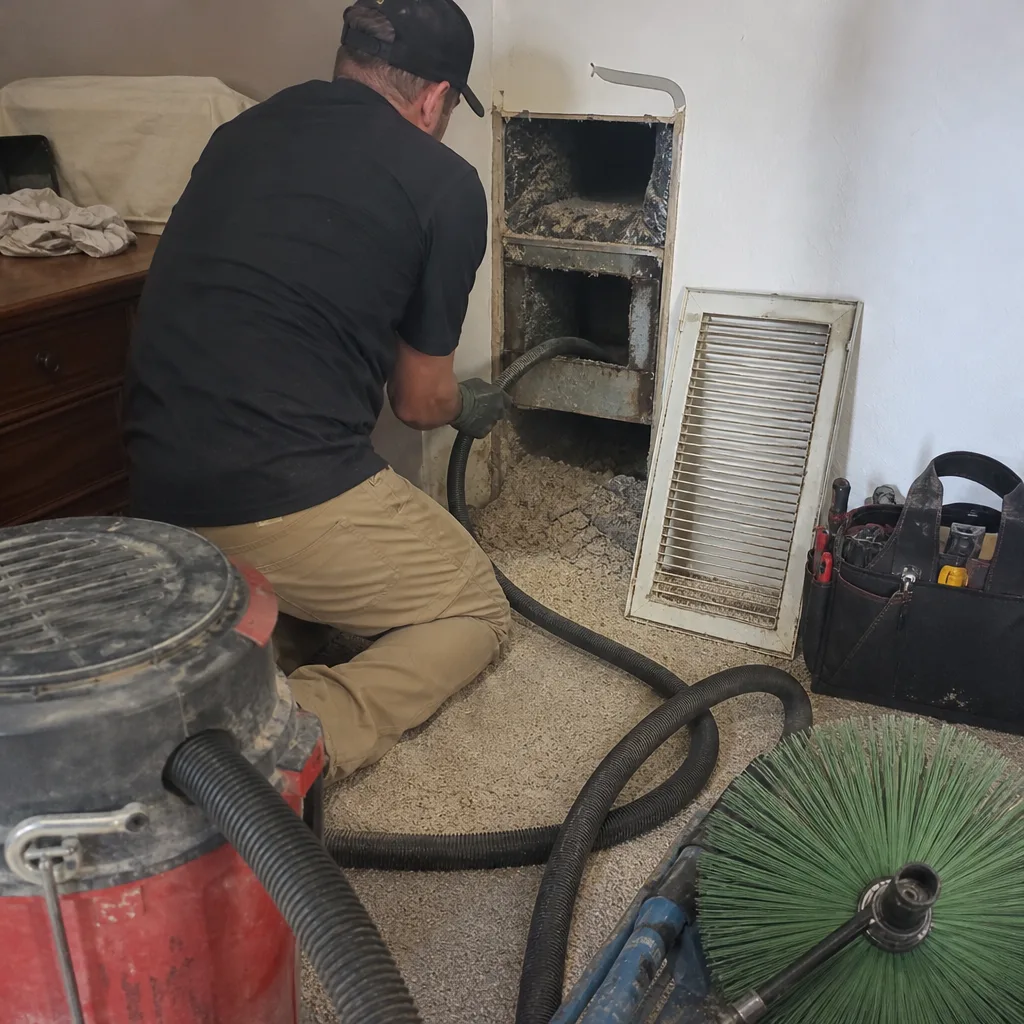 Before
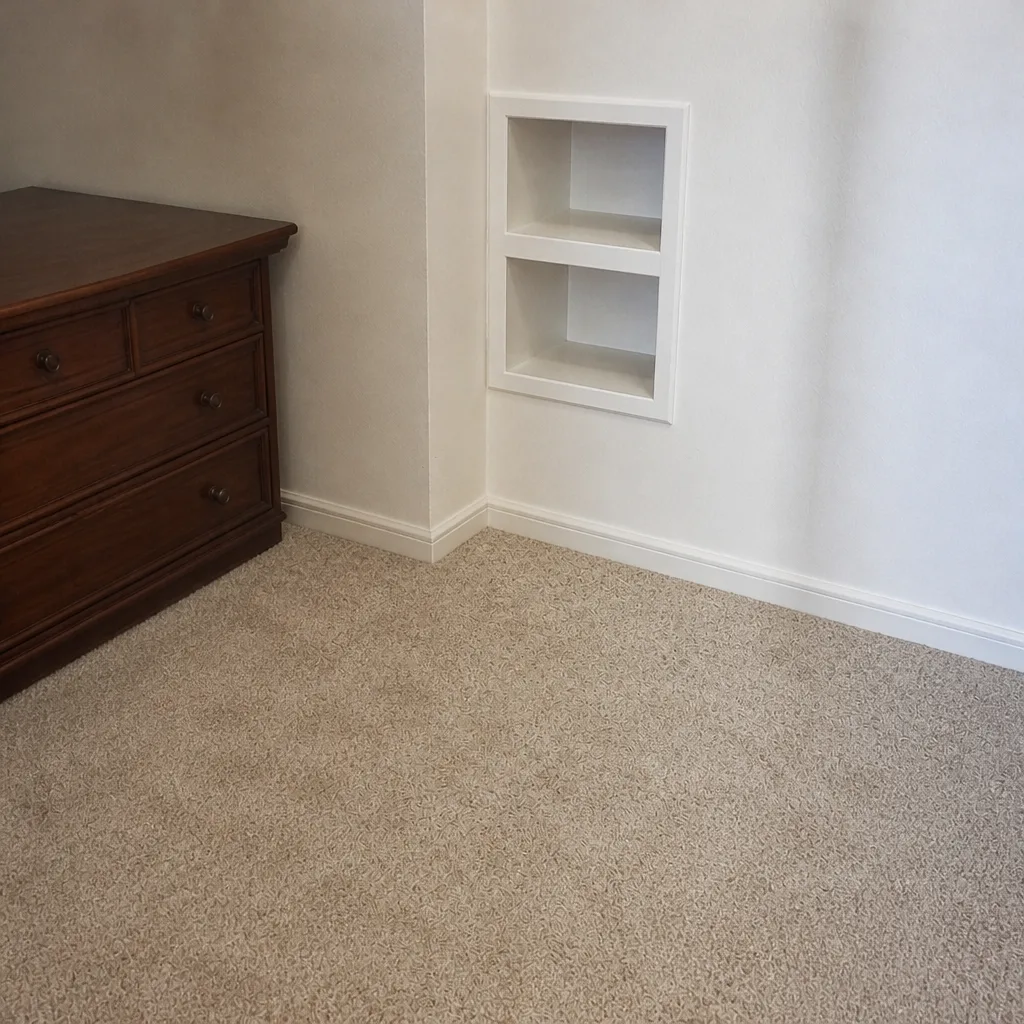 After
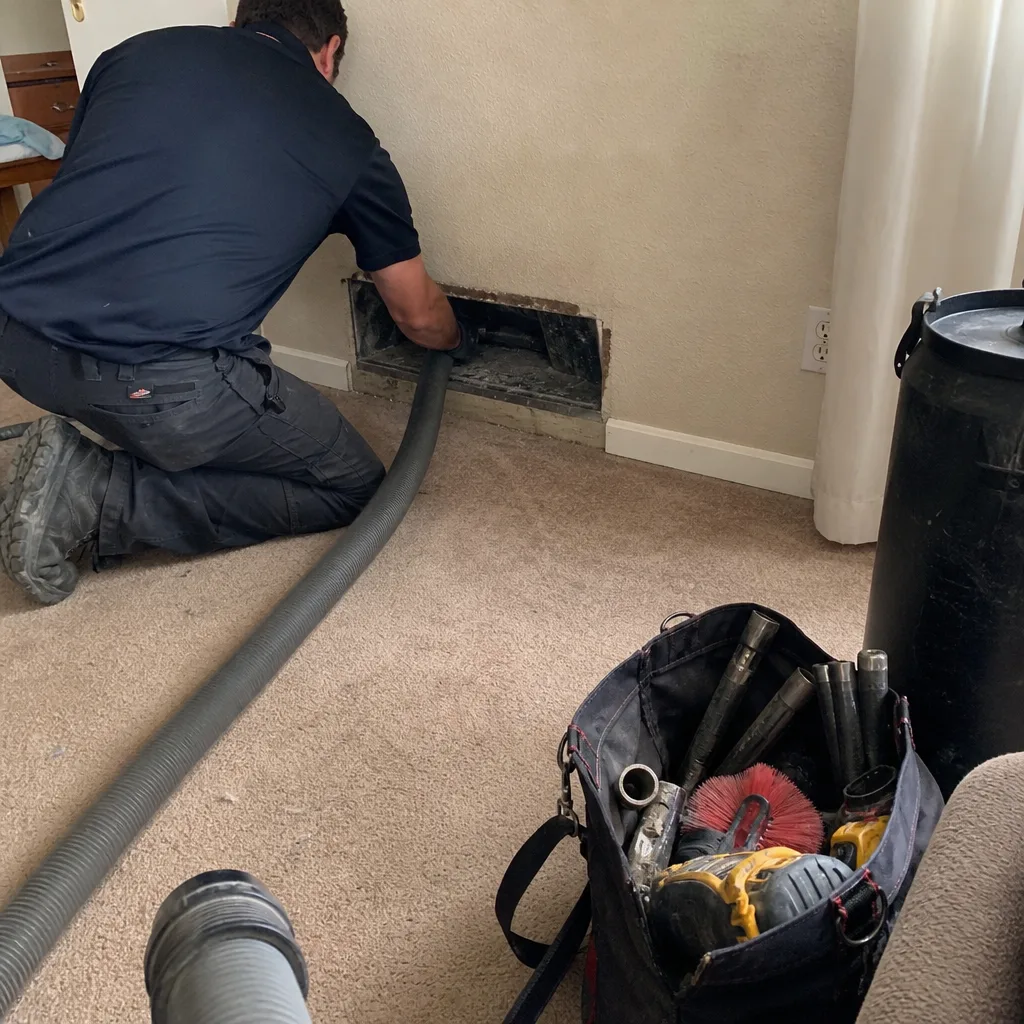 Before
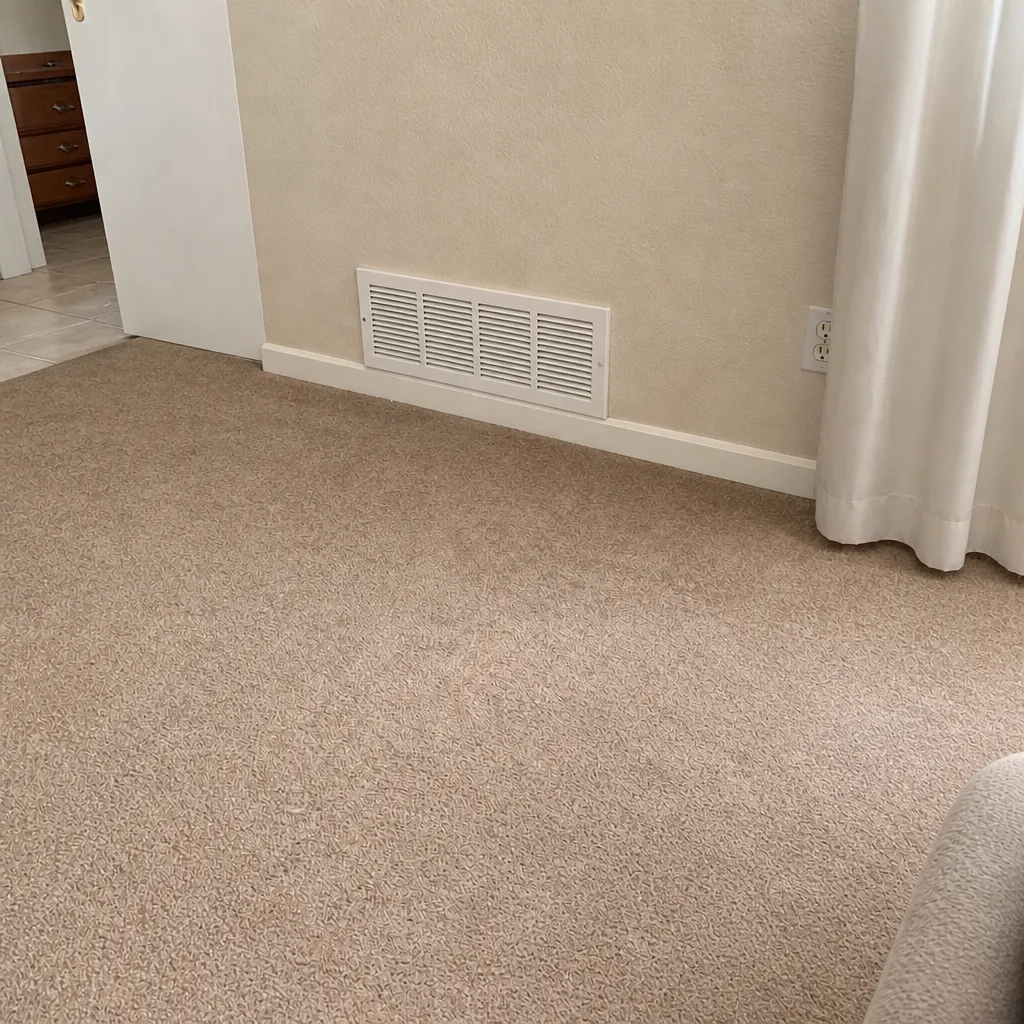 After
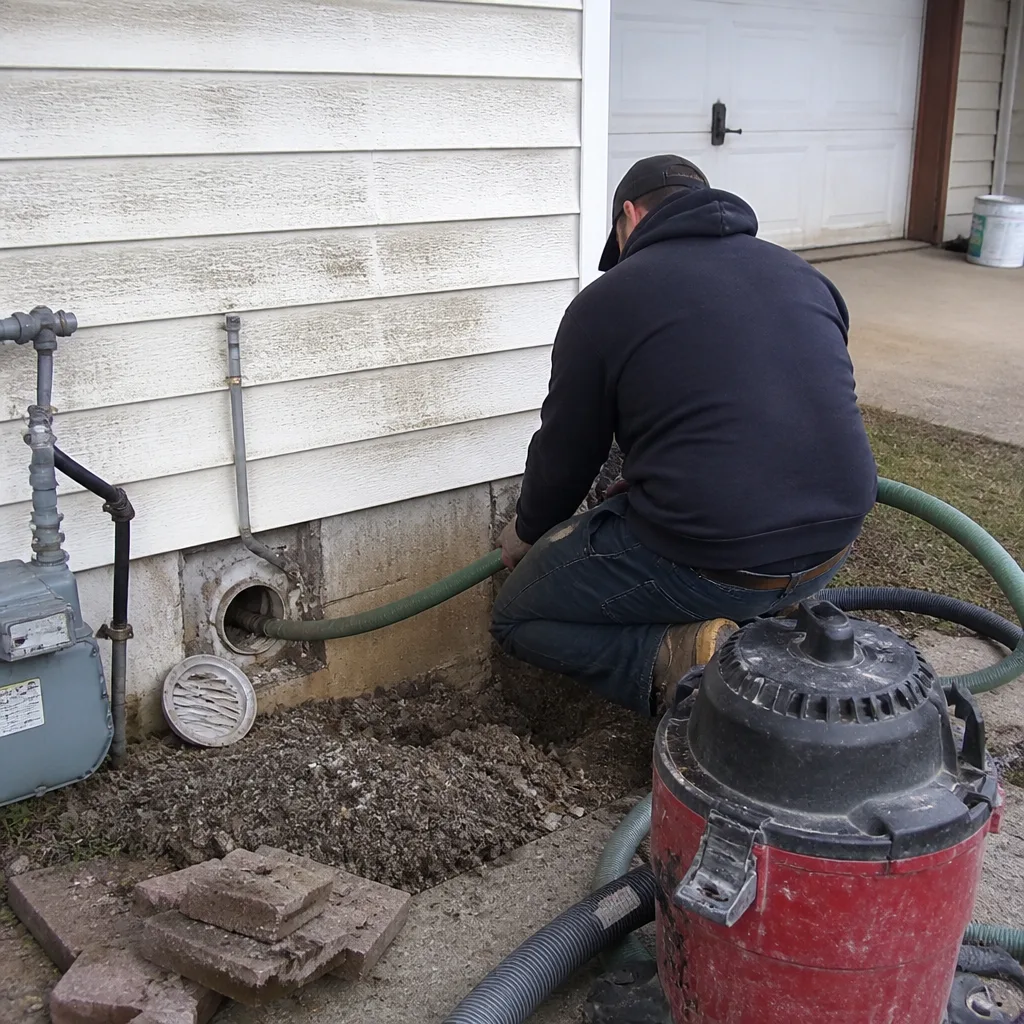 Before
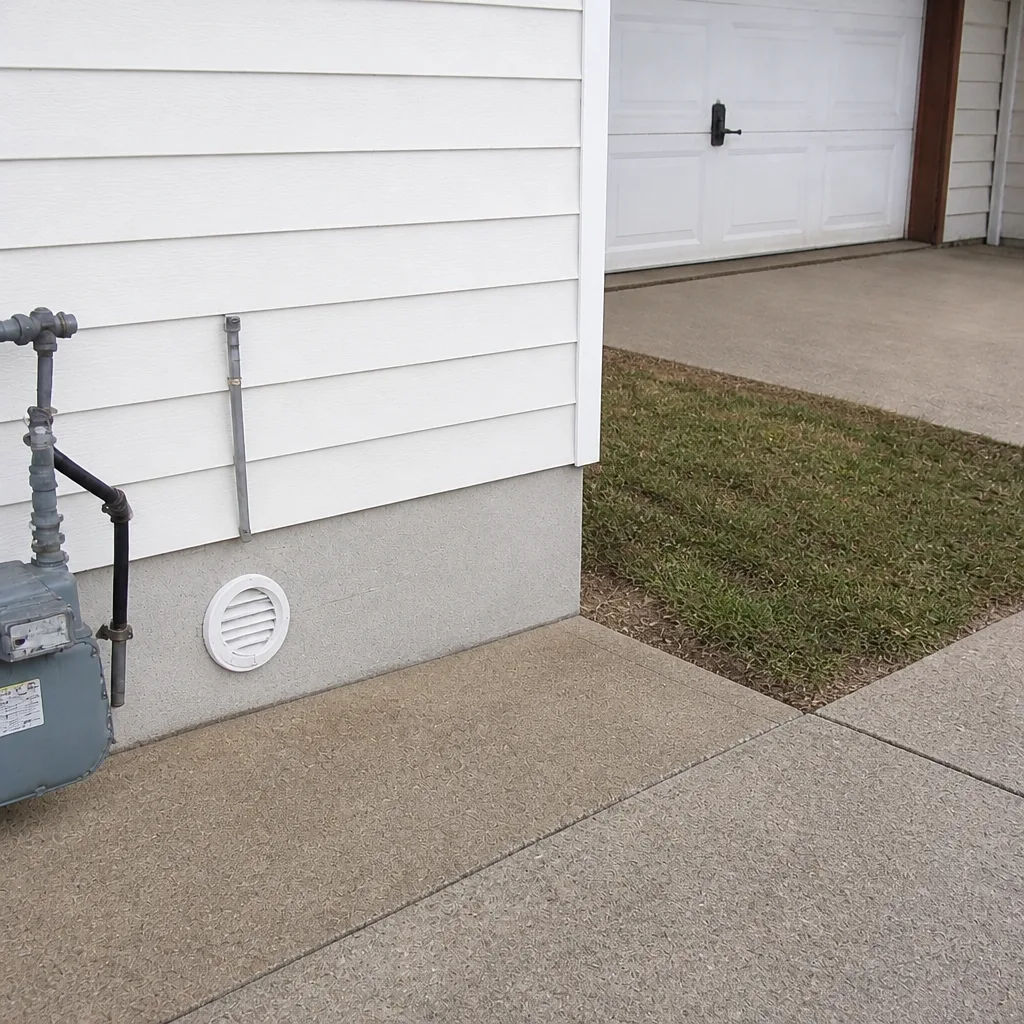 After
Frequently Asked Questions
Yes, but with intention. Running the system with windows closed and a fresh filter in place is generally better than leaving windows open during a smoke event. What you want to avoid is running the system after the event has loaded the filter and pushed particulate into the ducts, without a filter change and an inspection at the front end. If you have family members with asthma, plan on a filter swap the day the smoke clears.
Wait for the home to be fully dried and a moisture assessment to be completed first. The usual window is several days after active drying ends, and your restoration contractor can confirm when ambient humidity in the home is back to normal. On average that means the duct work happens two to three weeks after the water event, not the day after. Call (833) 549-7193 for an exact quote, estimates are free.
Post-event remediation is priced per system, based on the scope of contamination and the equipment the job requires. A typical residential duct cleaning in Syracuse runs within a range depending on system size and duct accessibility, and remediation work (fire, flood, pest) is priced separately because it involves containment equipment and, in some cases, replacement duct runs. We give a written estimate after inspection, and the written estimate sets the final price. Call (833) 549-7193 for an exact quote, estimates are free.
You can’t reliably confirm it from the registers. Visible growth inside the ducts, a musty smell that intensifies when the fan runs, or a history of a moisture event with the system running are the signals that call for a physical inspection. A flashlight and a mirror cover the first foot or two of accessible duct, but internal liner growth requires a scope inspection. Don’t trust a phone estimate on a post-flood duct situation without a physical inspection.
Yes, meaningfully. Fire residue is fine soot that adheres to duct walls and needs contact agitation and HEPA-filtration containment, not just a mechanical brush pull. The equipment and process are borrowed from restoration work, and the sequence runs from containment to agitation to re-sealing. A standard NADCA cleaning doesn’t remove the acidic soot residue that causes the smell to return.
Yes, dryer vent cleaning is a standalone service we handle on its own. That matters because vent line blockage is a fire safety issue, and it’s separate from duct cleaning both in equipment and in the failure mode. If your dryer takes more than one cycle to dry a load, that’s the signal. We also handle HVAC cleaning as a separate scope, which covers the air handler and coil rather than the duct runs themselves.
The Bottom Line
Duct emergencies aren’t routine cleanings, and treating them as routine is the most common mistake we see in Syracuse. Smoke, water, pests, and fire each demand a defined response sequence, and in every case the first step is the same: stop the system before it redistributes what you’re trying to remove. After that, the answer is containment, assessment, and professional remediation with equipment that can capture what it dislodges. Our technicians have up to 12 years of experience on these systems, and our full scope covers cleaning, sanitizing, repair, sealing, and dryer vent service. For the routine care that keeps a system from becoming an emergency, see Syracuse Air Duct Cleaning Pros.
If you’re facing one of these situations right now, or you’d rather not find out the hard way whether your system is ready for the next smoke event, we’re a phone call away. Call (833) 549-7193 for a free estimate. We answer 24/7. Fast dispatch from 7am to 7pm, Sunday through Friday.
Written by the team at Syracuse Air Duct Cleaning Pros.