
Last updated November 24, 2026
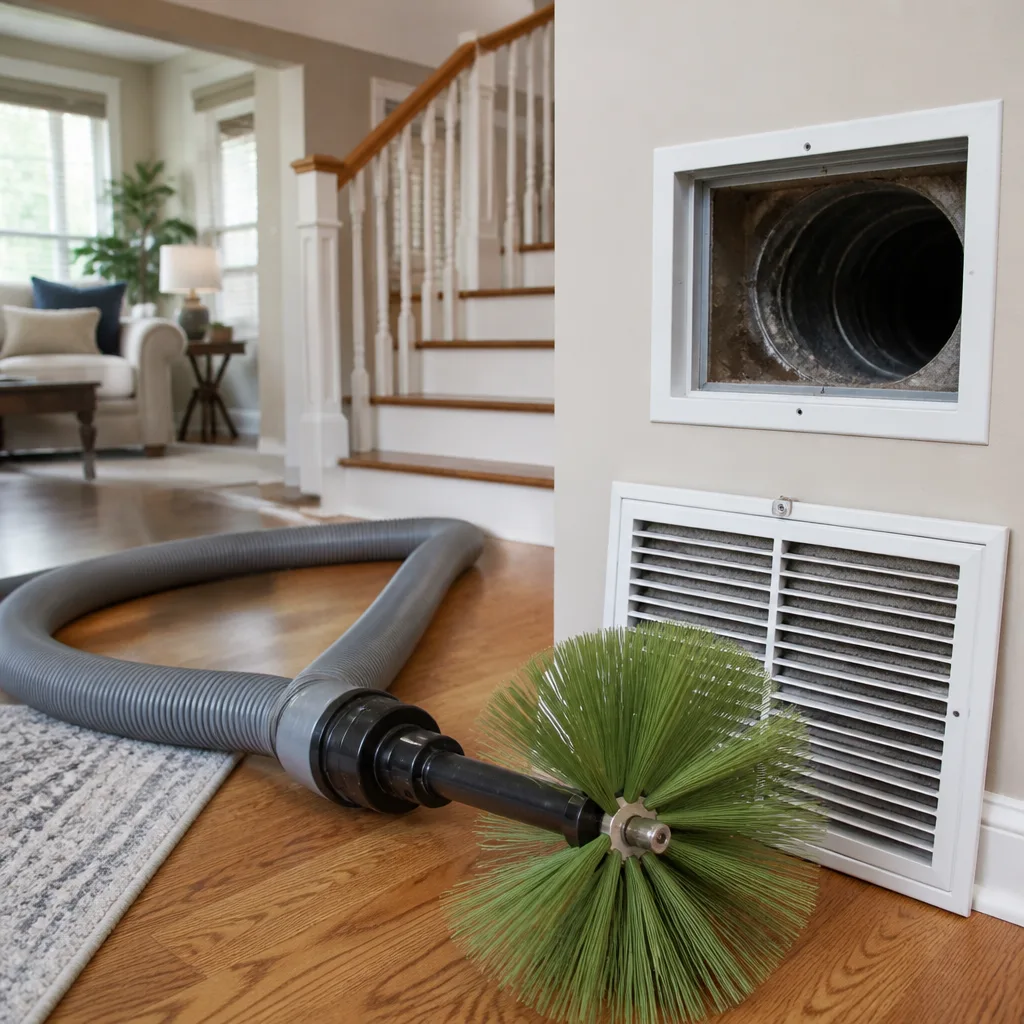 Whole-home duct cleaning
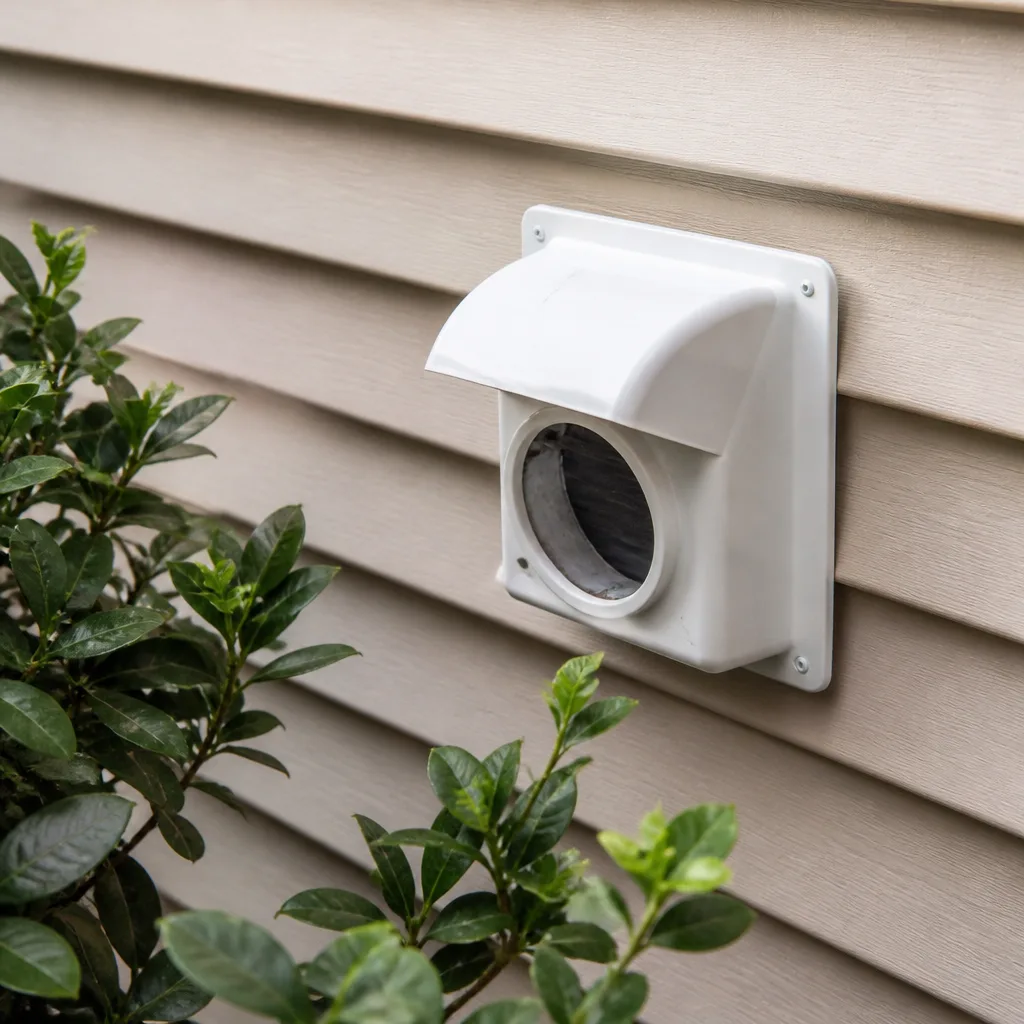 Dryer vent cleaning
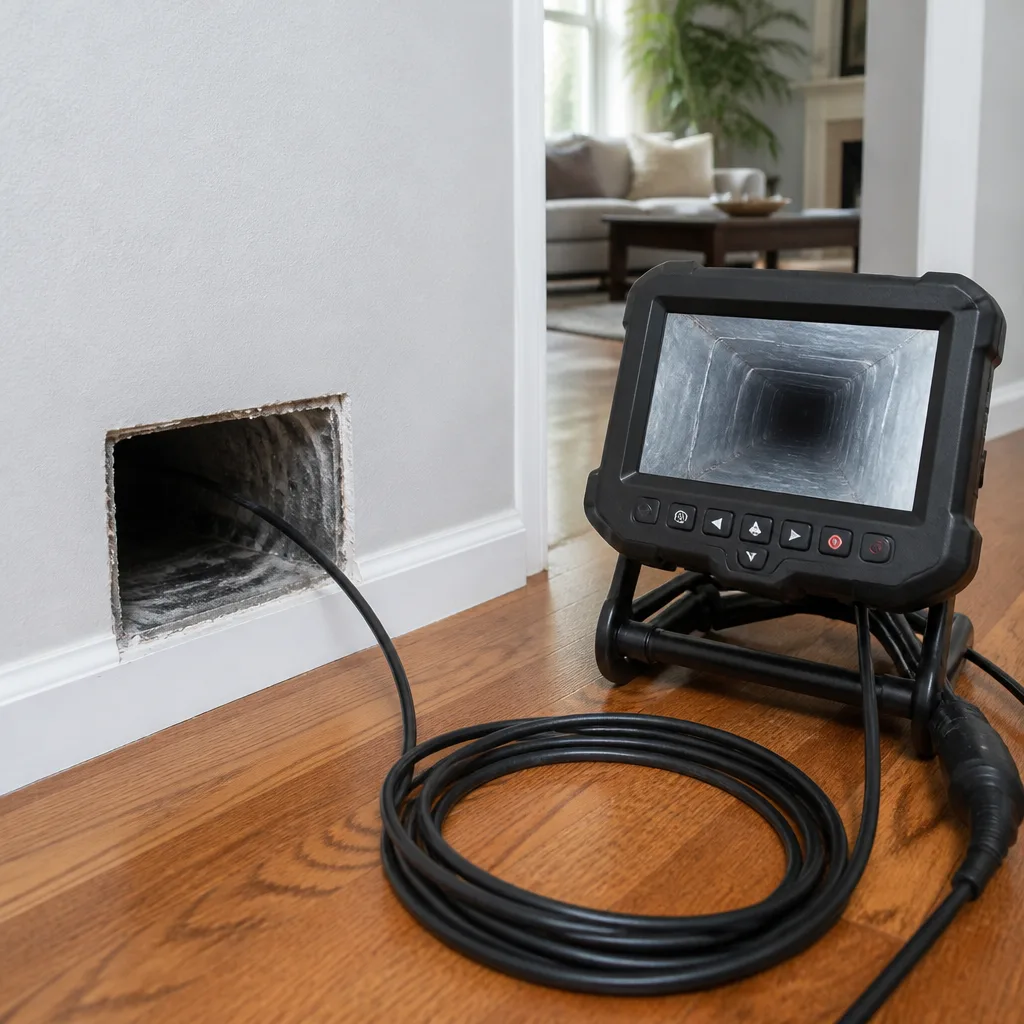 Camera inspection
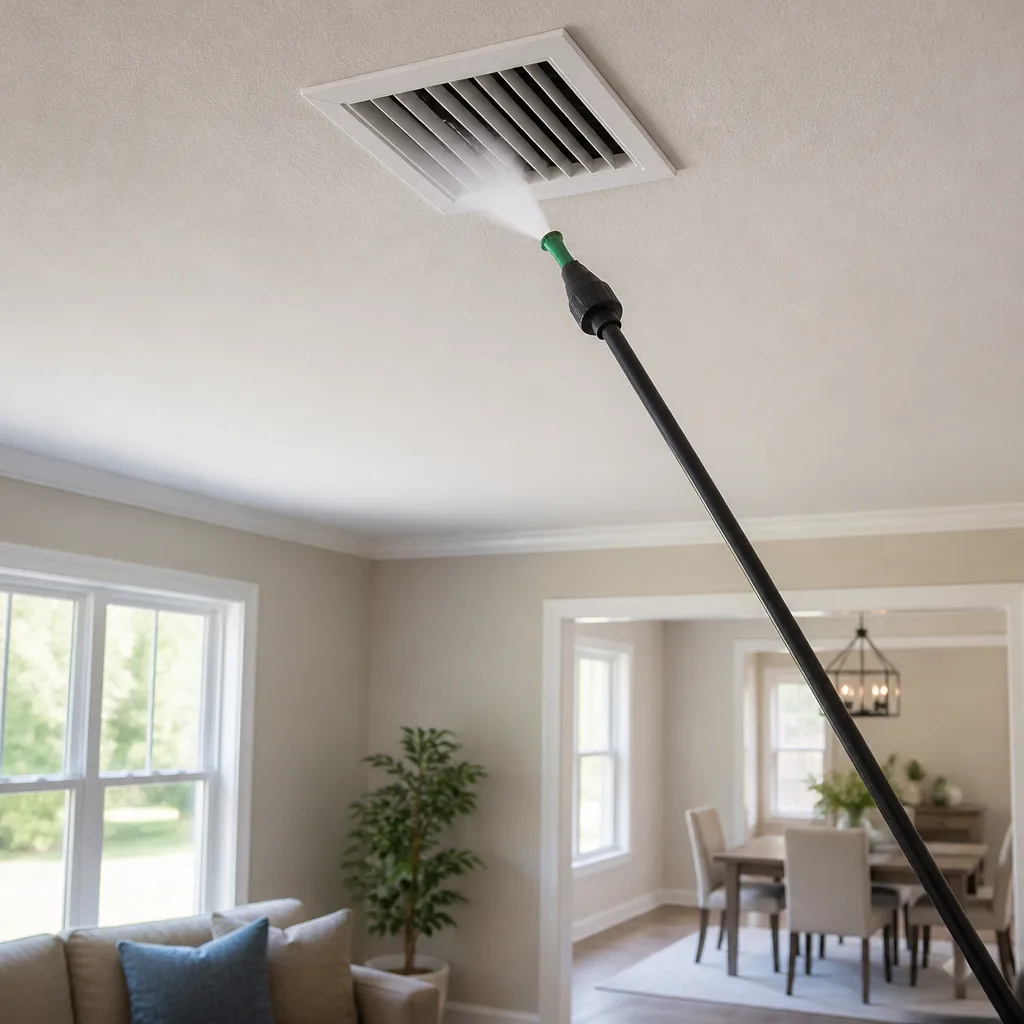 Sanitizing & deodorizing
Whole-system duct and dryer vent check with before-and-after photos - you see exactly what came out of your vents
That "$99 whole-house special" is a bait ad - the real number appears once they are in your hallway, or the "clean" is a shop-vac at the register. We photograph the inside of your ducts before and after instead.
DIY vs Professional Air Duct Cleaning: The Syracuse Homeowner’s Decision Guide
A shop vac pulls roughly 100 cubic feet of air per minute. A professional truck-mounted duct vacuum moves 12,000 to 16,000 CFM and holds the entire duct system under negative pressure while the work happens. That gap is the whole argument, and it’s a physical one, not a marketing one. We’re not going to tell you that a homeowner with a shop vac and a brush is wasting their time. You can meaningfully improve what you see and reach. What you can’t do is reach the parts of an HVAC system that live behind walls and inside sealed runs. This guide separates those two realities for Syracuse homeowners. You’ll learn exactly what DIY handling accomplishes, where it stops, what it can make harder, and how to tell which camp your house is in.
Quick Answer
DIY duct cleaning is worth doing as light upkeep on register covers, return grilles, and the first foot or so of branch duct you can reach with a brush. Anything past that – trunk lines, blower wheels, evaporator coils, sealed flex runs – needs professional negative-air equipment, because a shop vac has neither the airflow nor the containment to do it without spreading what it loosens. For most Syracuse homes, DIY is a supplement between professional cleanings, not a substitute for them.
Styles & brands we work with
- Whole-home duct cleaning
- Dryer vent cleaning
- Camera inspection
- Sanitizing & deodorizing
Table of Contents
- What a Shop Vac and a Brush Actually Accomplish
- The CFM Gap: Why Suction Numbers Matter
- Negative Pressure: The Part Nobody Explains
- The Four Places DIY Physically Cannot Reach
- When Professional Cleaning Makes Sense in Syracuse
- When DIY Makes a Professional Assessment Harder
- What to Do If Your DIY Pass Reveals a Problem
- Choosing the Right Tool for the Job
What a Shop Vac and a Brush Actually Accomplish
Let’s start with the honest answer, because most DIY guides either oversell or dismiss this completely. A homeowner with the right technique can meaningfully clean a defined set of surfaces. Here’s what that set looks like:
- Register covers and grilles. Pop them off, wash them in a utility sink or outside with a hose, dry them fully, reinstall. Grease-laden kitchen returns respond especially well. Kitchen grease films tend to hold dust in a way that plain dust doesn’t.
- Supply and return boot openings. The metal or flex fitting immediately behind the register, usually the first 12 to 18 inches. A brush head on a flexible wand, working back toward you, pulls loose accumulation out of this stretch.
- Return grilles and the first bend behind them. Most return drops are short and accessible. On a finished basement or a closet-mounted air handler, the return boot is often the dirtiest single spot in the house and the easiest one to reach.
- Exterior dryer vent hood. Pull the flapper open, reach in with a vent brush if the run is short, and clear lint accumulation at the termination. That’s a genuine safety gain.
The technique that works: brush first, vacuum behind the brush, keep the shop vac hose sealed against the duct opening as best you can with a rag or a taped-on reducer. If you brush without sealing, you’re aerosolizing dust into the room instead of capturing it. That’s a small but important point. The people who find DIY frustrating are usually the ones who brushed a return drop without a well-sealed vacuum and watched a dust cloud settle across the living room. Syracuse homes with forced-air heat and family members with allergies tend to notice this immediately, because the particulate they were trying to remove ends up in the air for hours.
Where a shop vac is a reasonable tool, it’s a reasonable tool. Where it’s not, no amount of effort or attachment selection changes the physics.
The CFM Gap: Why Suction Numbers Matter
“Suction” isn’t one property. A vacuum cleaner has to move air, and the amount of air it moves – measured in cubic feet per minute – tells you how much loose debris it can transport. A residential shop vac in the 5 to 6 peak-horsepower range typically moves somewhere near 100 CFM at the hose, dropping sharply once you add a brush head and a length of hose. A truck-mounted duct cleaning system pushes 12,000 to 16,000 CFM through a large-diameter hose connected to the duct system itself.
That’s a two-order-of-magnitude difference, and it changes what’s possible. A shop vac on a register opening is drawing on a small aperture and fighting the rest of a connected duct system for airflow. A truck mount is drawing on the entire system at once, with the register openings acting as the intake at the far end. Debris that gravity has settled along the bottom of a trunk line only has to travel a short distance to reach the vacuum.
There’s a practical second difference: reach. Duct cleaning requires a rotating brush or air whip that travels down a run and scrubs the interior walls. A homeowner with a shop vac, brush attachment, and maybe a flexible wand can reach two feet inside a register. A contact-vacuum brush system moves through the run itself. The tool doesn’t just have more power; it goes places a shop vac cannot.
In our experience, the homeowner who calls after trying DIY isn’t upset that their shop vac didn’t pull out trunk-line debris. They’re frustrated that they spent a weekend and a tank of shop-vac bags and the air handler filter still loaded up with the same gray dust two weeks later. The dust was never in the register. It was in the system.
Negative Pressure: The Part Nobody Explains
Here’s the part of this trade that rarely gets explained to homeowners, and it’s the most important one. When you agitate dust inside a duct, you don’t just pick it up. You also lift it into the air. Some of it lands in the vacuum. Some of it drifts into the room. Some of it travels back up the return and coats the blower and coil you were hoping to protect. Professional duct cleaning manages that risk with negative pressure: the entire duct system is held at a pressure lower than the surrounding rooms, so any dislodged debris travels toward the vacuum and not into your living space.
Two pieces of equipment make that work:
- A truck-mounted or high-powered negative-air source connected to the duct system. This is what establishes the system-wide pressure differential. Rotobrush contact-vacuum systems are built around this principle and are the equipment specified in professional duct remediation standards, which is why we run them.
- An on-site air scrubber. We deploy Abatement Technologies air filtration devices during service. They capture the particulate that inevitably escapes into the working area – the small fraction that gets loose around register openings and access cuts – so the indoor air stays usable while work is in progress.
A shop vac can’t do either of these things. It doesn’t establish system-wide negative pressure because it isn’t connected to the system. And it doesn’t scrub the surrounding air because it’s a vacuum, not an air filtration device. When a homeowner brushes a duct with shop vac suction at the register, they are in effect moving dust from one part of the system into the room air. That’s not a disaster. But it’s not cleaning. It’s redistribution.
The same principle applies to dryer vents, where lint is fine and plentiful and any disturbance releases it. If you’re clearing a dryer vent, the shop vac stays outside at the termination; the run gets cleaned from the other direction with a brush on a rod, and the goal is to move lint toward the vacuum, not let it cascade back into the dryer.
The Four Places DIY Physically Cannot Reach
Most DIY limitations come down to physical access, not effort or skill. Here are the four spots that stay out of reach of a shop vac and brush, regardless of how thorough the homeowner is:
- Trunk line interiors. The main trunk is larger diameter, often rectangular, sometimes many feet long, and always runs through spaces a homeowner can’t conveniently open. Cleaning it requires cutting access points and using a brush or whip long enough to travel the length. A homeowner is not going to cut into their ductwork, and shouldn’t.
- The blower wheel. On most forced-air furnaces and air handlers, the blower wheel accumulates a mat of dust over time. Every bit of dust that travels through the return passes the blower. Cleaning the wheel requires opening the air handler cabinet – which is a gas-appliance and electrical-panel adjacent job, and one that isn’t a homeowner task.
- The evaporator coil. The A-frame coil above the air handler is where condensation happens and where dust and biological growth collect. Coil cleaning requires specific cleaning solutions and access methods, and doing it wrong can damage fins or void the warranty on a newer unit. This is one line we will never soften: the coil, the blower, and the electrical section of an air handler are not places to reach into with a shop vac. High voltage lives inside that cabinet, and the risk of touching it is not worth even the best-case cleaning result.
- Sealed flex duct runs. Newer Syracuse-area homes and remodels often use sealed flex runs in attics and crawlspaces. You can’t clean what you can’t disconnect, and disconnecting and re-securing flex duct without knowing the professional method risks tearing the inner liner, which is a much bigger problem than the dust you started with.
A professional cleaning, by contrast, is a whole-system process. Cleaning the system, not just the registers, means: trunk lines via access cuts, branch runs via contact brush, blower wheel and coil via the air handler cabinet, return drops and boots, and post-clean fogging of the ducts with an EPA-registered sanitizer if the situation calls for one. That’s the type of service covered on our air duct cleaning page for the Syracuse area, and it’s what the truck-mount equipment exists to do.
When Professional Cleaning Makes Sense in Syracuse
Syracuse sees four proper seasons, and the Utah Valley’s dry summers mean HVAC systems run hard through both heating and cooling months. That alone doesn’t justify a cleaning. The cases below do:
- New construction or recent renovation. Builder dust, drywall sanding residue, sawdust from cabinet and trim installs, and construction adhesive fumes all migrate into the duct system during construction and settle into the trunk. No amount of register-level cleaning gets it back out. Professional cleaning after a major remodel is standard practice, and doing it before you move furnishings in is smart.
- A home purchase where cleaning history is unknown. Sellers rarely document duct service. If you don’t know when the system was last cleaned, assume it never was. Some homeowners take the previous owner at their word; others get a baseline cleaning and then start their own maintenance record from a known date.
- Household members with respiratory conditions. Asthma, seasonal allergies, and immune conditions respond to the same variable – the amount of particulate the HVAC system recirculates. Duct cleaning won’t cure allergies, but reducing the dust reservoir the system draws from is a reasonable step, and it’s one most people notice.
- Pest evidence in the ductwork. Rodents and insects use duct systems as highways. If you find droppings, nesting material, or a strong odor near registers, professional cleaning and sanitizing is the right response. This is not a shop vac job, and treating visible pest debris as a homeowner task risks exposure to hantavirus and similar hazards.
- A system that hasn’t been cleaned since builder install. Many Syracuse homes in newer developments have duct systems that were never cleaned after the original install. Ten years of accumulation behind a register cover looks exactly like no accumulation until the cover comes off.
If any of those describe your home, cleaning the system is more useful than cleaning what you can see. When it’s a dryer vent problem – a dryer taking two cycles to dry a load, a lint smell behind the machine – that’s its own category. We handle dryer vent cleaning as a standalone service precisely because most companies ignore it or subcontract it, and it’s a fire risk that deserves the same equipment attention as the air ducts. If you want to see the full scope of system cleaning, our HVAC cleaning page covers the air-handler side of the house.
When DIY Makes a Professional Assessment Harder
Here’s a nuance that rarely gets covered: sometimes a DIY attempt makes the next professional visit less effective, and it’s worth knowing ahead of time. Three scenarios:
- Disturbing debris without removing it. If you brush a run and don’t capture what you dislodged, you’ve moved settled debris into the airstream, where it will coat the blower wheel and evaporator coil on the next heating or cooling cycle. The tech opening the air handler will find dust where there shouldn’t be any – and no way to tell where it came from.
- Removing access panels and register covers without documenting what you found. If a technician doesn’t know which runs have already been disturbed, they can’t easily distinguish long-standing accumulation from what was recently moved. Photograph anything unusual before you reinstall the cover.
- Running a shop vac through a wet or humid duct. In summer, duct runs in unconditioned attic spaces can pick up condensation. Vacuuming wet dust is how you grow biological growth inside a duct. If the duct interior feels damp, stop and book professional service; duct sanitizing after cleaning is part of the process for that reason.
The case for DIY is real, but it’s the case for light upkeep between professional cleanings. It isn’t the case for skipping professional cleaning altogether.
What to Do If Your DIY Pass Reveals a Problem
The point of these steps is safety and preserving information, not teaching you to solve the underlying issue yourself:
- Stop brushing. If you uncover something the shop vac can’t handle, the next best move is often no move. Continuing agitation spreads contamination into the home air and into the air handler.
- Photograph what you saw. Discoloration, pest droppings, mold-like growth, disconnected sections, torn flex liner, or a smell that doesn’t match dust. Photos help a technician identify the issue and quote accurately.
- Seal the opening. Reinstall the register cover, or if you removed a larger access panel, tape a sheet of plastic over the opening. You want the opening closed before the next heating or cooling cycle pulls more air through it.
- Book professional service. Duct repair and sealing are part of the correct response for a disconnected or torn section. Patching a duct with consumer-grade foil tape works for some small leaks, but not for structural damage, and not where the duct needs to be cleaned inside first.
- If you find pest evidence or biological growth, treat it as a hazard. Don’t reach into that duct. Don’t vacuum it yourself. Book professional cleaning and sanitizing with proper containment and skip the DIY step entirely.
We see this pattern often in Syracuse: a homeowner pulls a register cover to check on a dust problem and finds something bigger behind it. The right response in every case is stop, document, and get a professional assessment.
Choosing the Right Tool for the Job
When a job does call for professional attention, the tool matters, and the difference is not cosmetic. Here’s what we bring that a shop vac cannot match:
- Rotobrush contact-vacuum brush systems. These are the equipment specified in professional duct remediation standards. They combine a rotating brush with simultaneous vacuum at the brush head, which is what “contact vacuum” means – the debris is captured the moment it’s dislodged.
- Nikro negative-air machines. These create controlled airflow that captures dislodged debris rather than spreading it. They establish the system-wide pressure differential that keeps dust moving toward the equipment.
- Abatement Technologies air scrubbers. Deployed on-site during the work to protect indoor air quality. We contain what we dislodge. That’s what the equipment is for.
- Honeywell and Aprilaire compatible filtration components. We work with and install these as post-cleaning air-quality upgrades when it’s a fit. Cleaning removes what’s there; a proper filter and media upgrade helps keep it cleaner longer, and the two belong together as one plan.
Professional-grade equipment is the whole difference between “we cleaned your ducts” and “we cleaned the system.” If you’re comparing quotes, ask what equipment the tech plans to use. A company that answers with a service description instead of an equipment name is telling you something. You can see the whole service scope on the Syracuse Air Duct Cleaning Pros homepage, including the tools and full menu.
Common Mistakes to Avoid
- Renting a shop vac from a big-box store and calling it done. A rented vac doesn’t establish negative pressure and doesn’t reach past the register. It gives you a clean register cover and a false sense of a clean system.
- Using a leaf blower “in reverse” or compressed air to loosen debris. Both turn the entire duct system into an aerosolizer. Debris ends up coating the blower, the coil, and your furniture. It’s the opposite of cleaning.
- Brushing a return drop without sealing the shop vac hose to the duct opening. It’s the single most common way homeowners get a dust cloud across the room. The seal matters more than the brush.
- Skipping the dryer vent because the run looks clean at the hood. Lint accumulates at the interior bends and along the mid-run. Cleaning the hood end is not the same as cleaning the run.
- Treating pest evidence as a dust problem. Droppings and nesting material are a hazard, not a mess. Professional cleaning and sanitizing with proper containment is the correct response because of the disease exposure risk.
- Cleaning ducts but not changing the filter or checking the air handler. A clean duct plus a clogged filter is a short trip back to a dirty duct. The filter is part of the system, and the whole system is what’s being cleaned.
- Assuming a house “doesn’t need it” because the air smells fine. Dust accumulation in a trunk line has no smell. Discoloration at the register tends to be the only early tell, and by then the trunk is usually loaded.
Syracuse sits in a valley with more dust from nearby construction and agricultural activity than homeowners expect, especially on the west and south sides of town where development has been steady. Homes in the newer developments around Syracuse and neighboring West Point often have duct systems that were never cleaned after install. That’s the pattern we see on the professional side. It’s the reason we suggest professional cleaning as a baseline for newer construction rather than a luxury upgrade.
See the difference
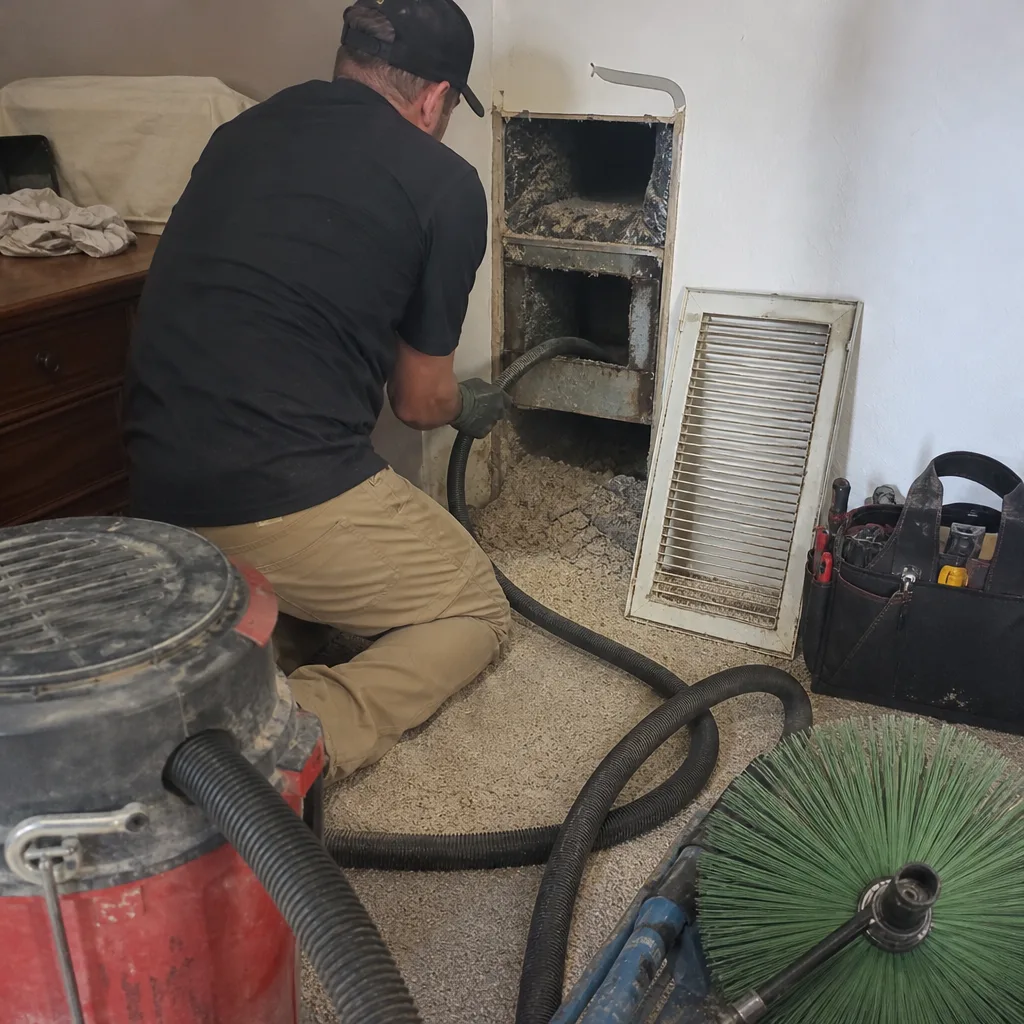 Before
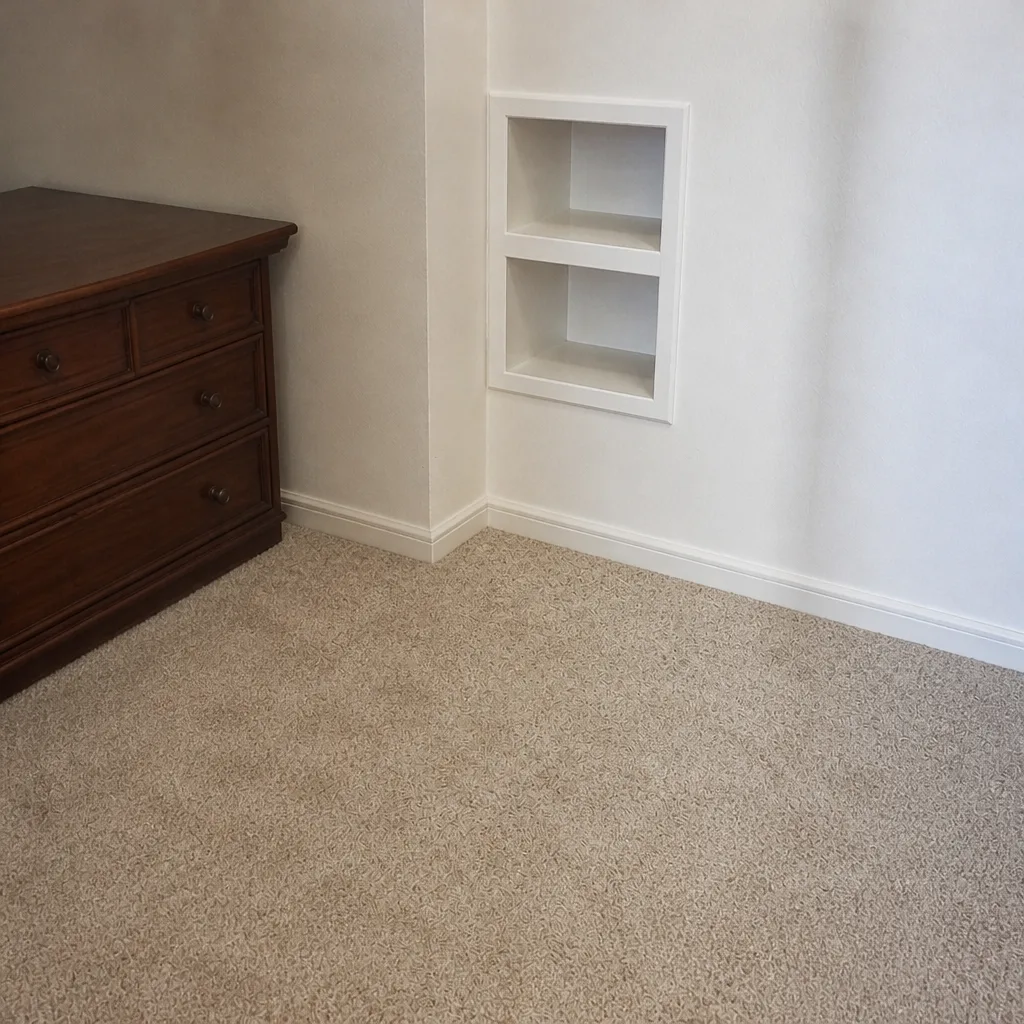 After
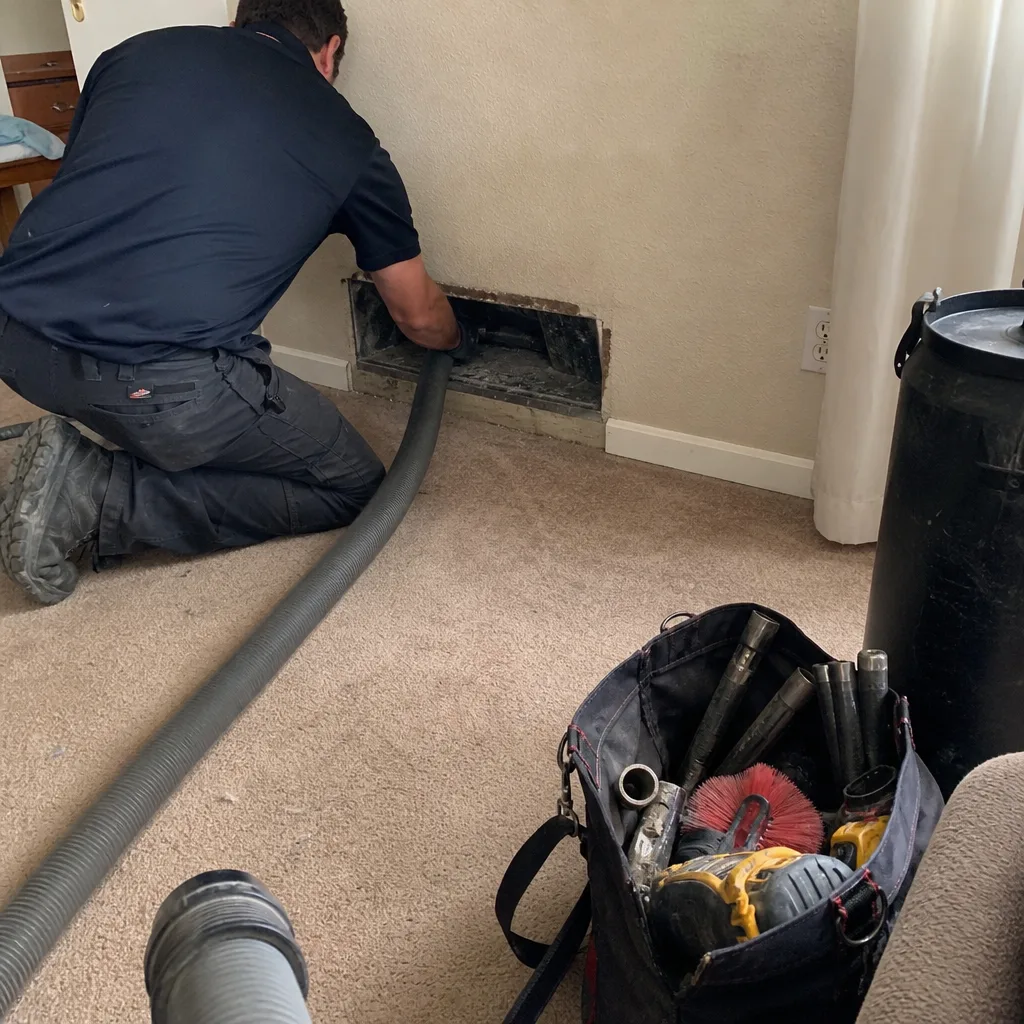 Before
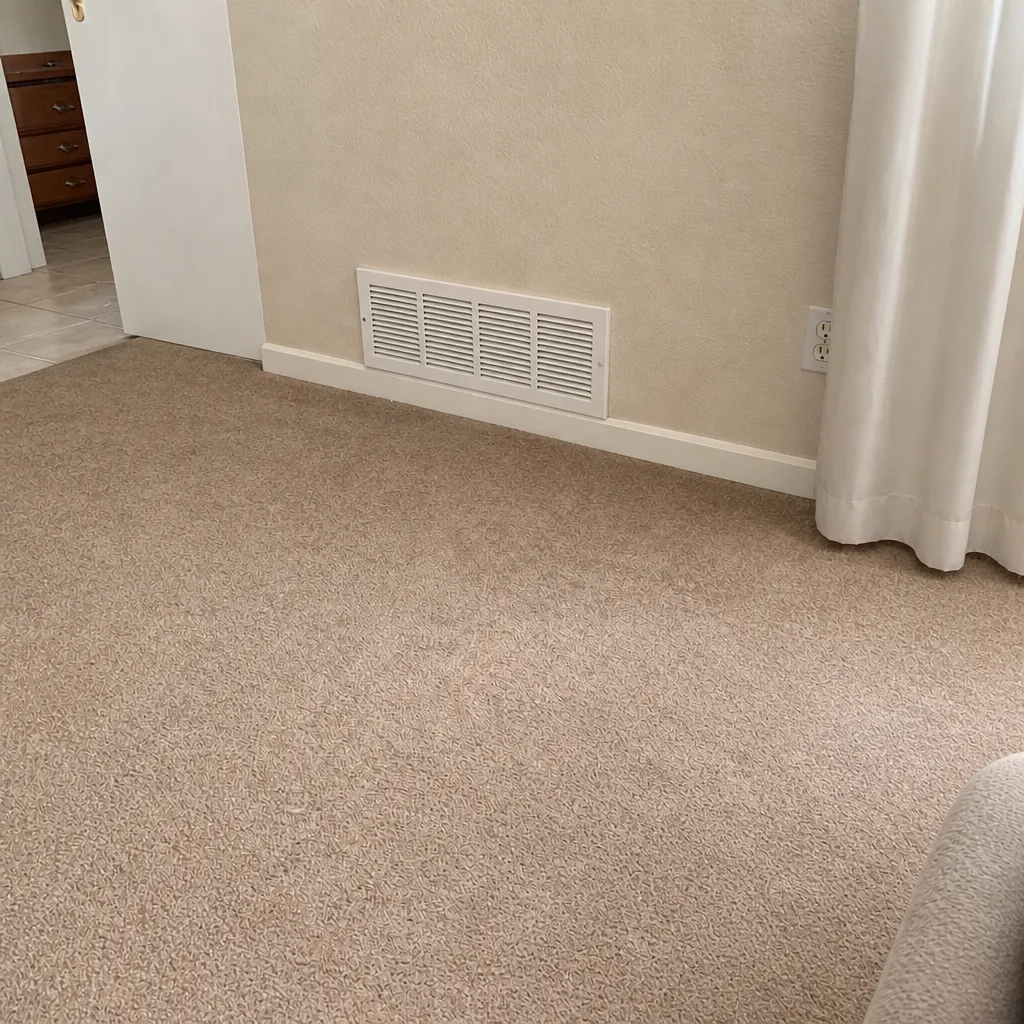 After
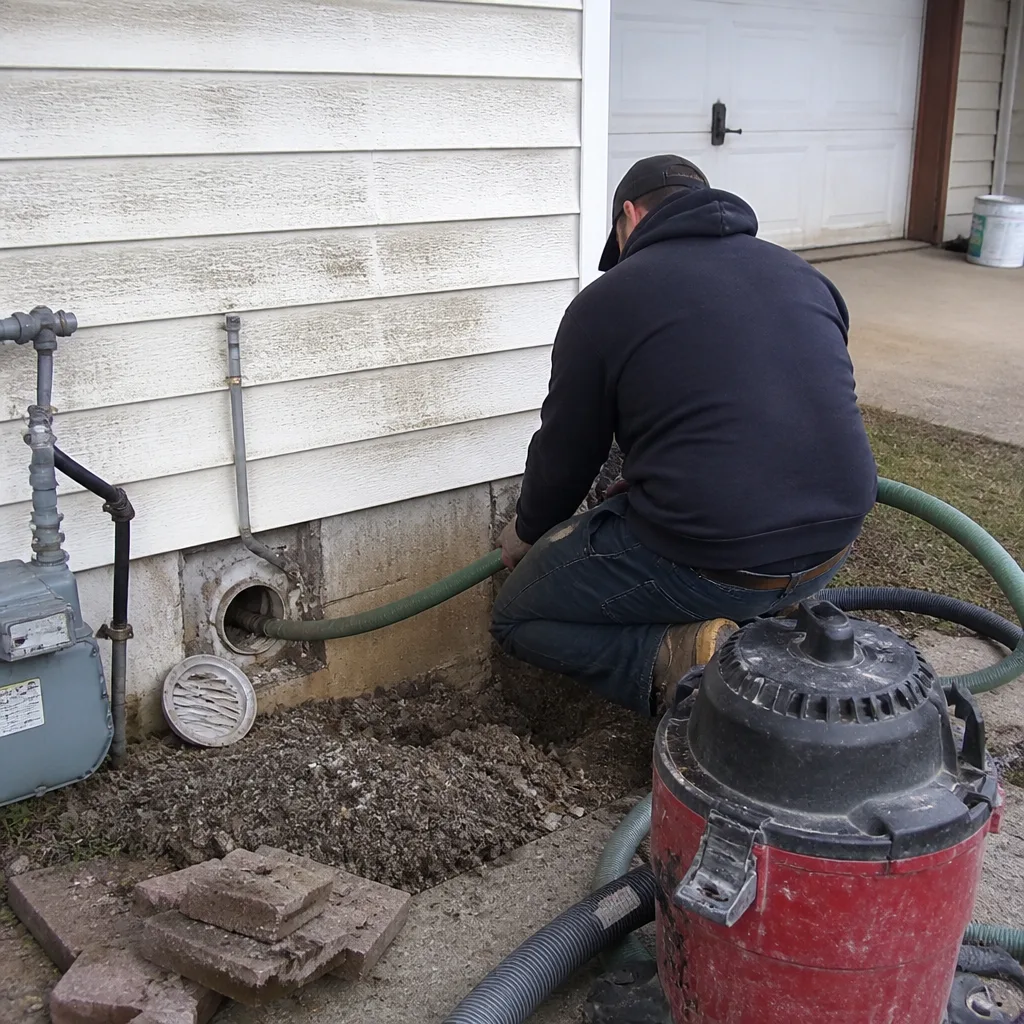 Before
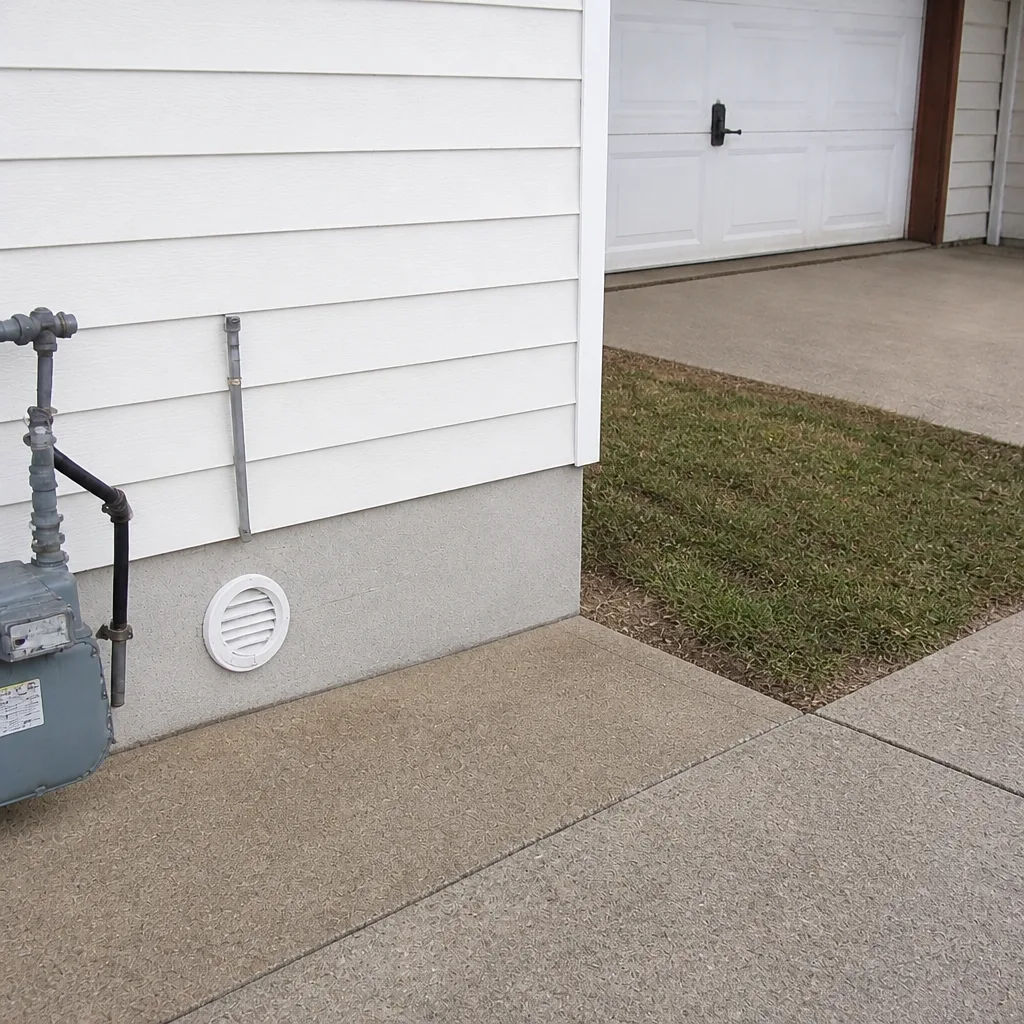 After
When to Call a Professional
Call us when any of these describe your situation: your home was recently built or renovated; a household member has a respiratory condition the HVAC might be aggravating; you’ve found pest evidence or biological growth in a duct; a dryer is taking two cycles to dry; a duct has come disconnected or is leaking at a joint; or you simply don’t know when the system was last cleaned. For those situations, the professional route isn’t a sales pitch. It’s the only route to a clean system. Our technicians have up to 12 years of experience with the Rotobrush and Nikro equipment that does this work, and we handle cleaning, sanitizing, dryer vent service, duct repair, and sealing in a single visit. Syracuse Air Duct Cleaning Pros offers free estimates in Syracuse – call (833) 549-7193. We answer 24/7. Fast dispatch from 7am to 7pm, Sunday through Friday. One flat price per system is agreed before work starts, and we take before-and-after photos of your own ducts so you can see what changed.
Frequently Asked Questions
Yes, for the parts of the system you can reach: register covers, supply and return boot openings, the first 12 to 18 inches of branch duct, and the exterior dryer vent hood. Those surfaces respond well to a brush and shop vac, and light upkeep between professional cleanings is genuinely useful. It is not worth doing as a substitute for professional cleaning, because the trunk line, blower wheel, and evaporator coil are where the biggest dust reservoirs actually live. Call (833) 549-7193 for an exact quote – estimates are free.
Cheap quotes usually skip the equipment that makes cleaning effective: no truck-mount or high-powered negative-air source, no air scrubber, no access cuts into the trunk line. What you’re paying for at the low price is a shop vac pass over the registers, which is what you could do yourself. Ask what equipment a company brings and whether the quote includes the air handler and dryer vent; if the answer is vague, the quote is a starting point, not a final price. Ask us for an exact quote on the system – call (833) 549-7193.
You should see before-and-after photos of the interior of your own ducts, not stock photos of a different house. You should also have a chance to look at the system during the work – most technicians will show you debris pulled from the trunk and the condition of the blower wheel and coil. Ask upfront whether photos are included; any professional-grade cleaning produces them as part of the job records. Call (833) 549-7193 to schedule an inspection with photos.
For a typical household, professional cleaning every three to five years is a reasonable interval, and more frequently if there’s construction, pets, pest history, or a household member with respiratory conditions. Homes with a wood-burning fireplace or a frequently used workshop benefit from more frequent cleaning because the dust load entering the system is higher. If you can’t recall the last cleaning, a baseline service now sets a known starting point – call (833) 549-7193 to start there.
It can, in two ways. Pushing a flexible brush or rod into sealed flex duct can tear the inner liner, which compromises the duct’s insulating performance and eventually its airflow. And using compressed air or a leaf blower to loosen debris spreads it into the blower and coil, which can mean a bigger repair than the original cleaning problem. When in doubt, stop and book an assessment – call (833) 549-7193 for a free estimate.
That’s common in Syracuse, especially in newer developments where the builder installed the system and no cleaning happened afterward. Construction dust, drywall residue, and sawdust settle into the trunk line during the build itself, and the first several years of operation push that material through the system. A thorough professional cleaning – with access cuts into the trunk, contact brush work, and post-clean sanitizing – is the right starting point. Call (833) 549-7193 to schedule.
The Bottom Line
DIY duct cleaning and professional duct cleaning aren’t really competing options. They operate in different physical zones. What you can reach – register covers, boot openings, the first foot or two of duct, dryer vent hood – a good brush and a sealed shop vac handle well, and that upkeep keeps the accessible parts of the system cleaner between visits. What you can’t reach – trunk lines, blower wheel, evaporator coil, sealed flex runs – needs negative pressure, contact-vacuum equipment, and on-site air scrubbing to clean without spreading. That’s not sales language; it’s what the CFM numbers and the containment equipment tell you. If your home has recent construction, a respiratory-sensitive household member, pest history, or just no record of a cleaning, professional service is the right call. For everything else, DIY upkeep works between professional cleanings – and we’re here when it’s time.
Call Syracuse Air Duct Cleaning Pros at (833) 549-7193 for a free estimate. We answer 24/7. Fast dispatch from 7am to 7pm, Sunday through Friday. One flat price per system agreed before work starts, before-and-after photos of your own ducts, and a satisfaction guarantee on the work – from cleaning to sealing to sanitizing, with dryer vent service as a standalone if you need it.
Written by the team at Syracuse Air Duct Cleaning Pros.