
Last updated November 24, 2026
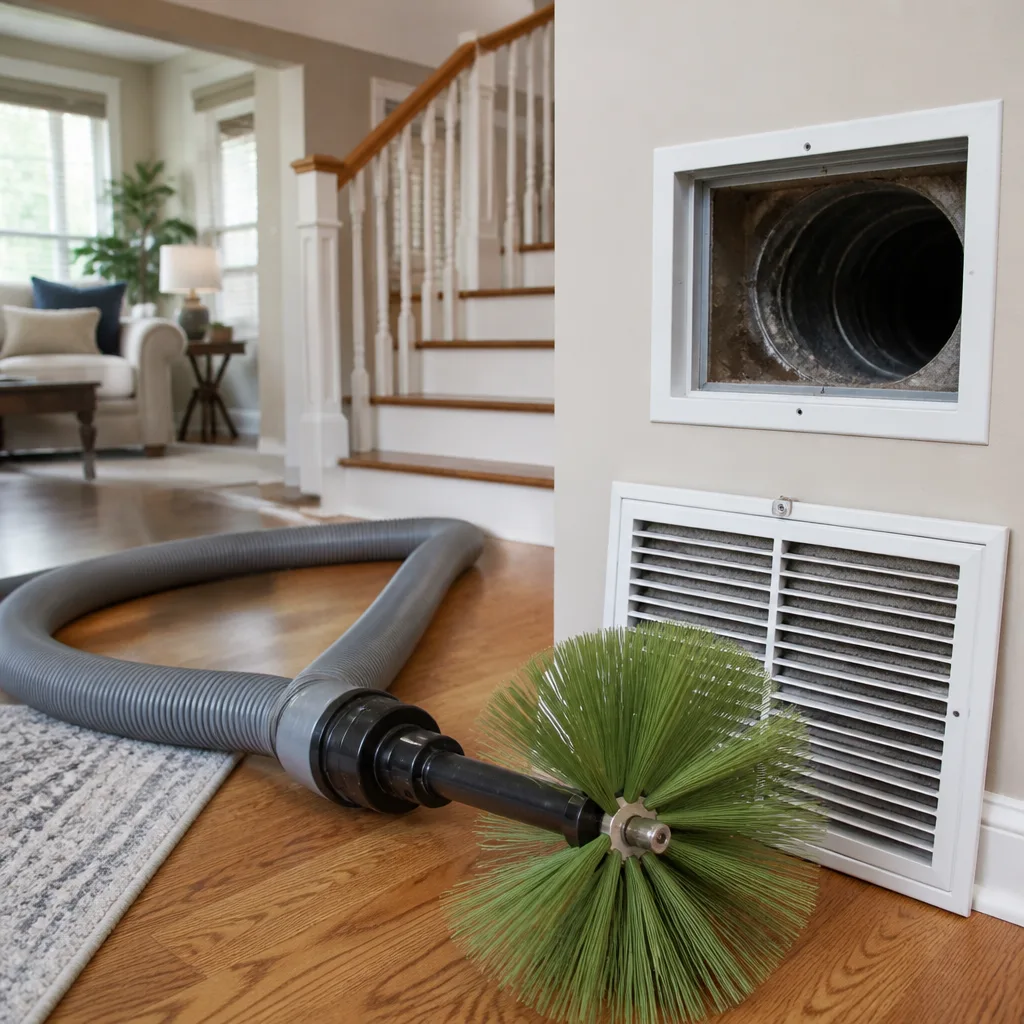 Whole-home duct cleaning
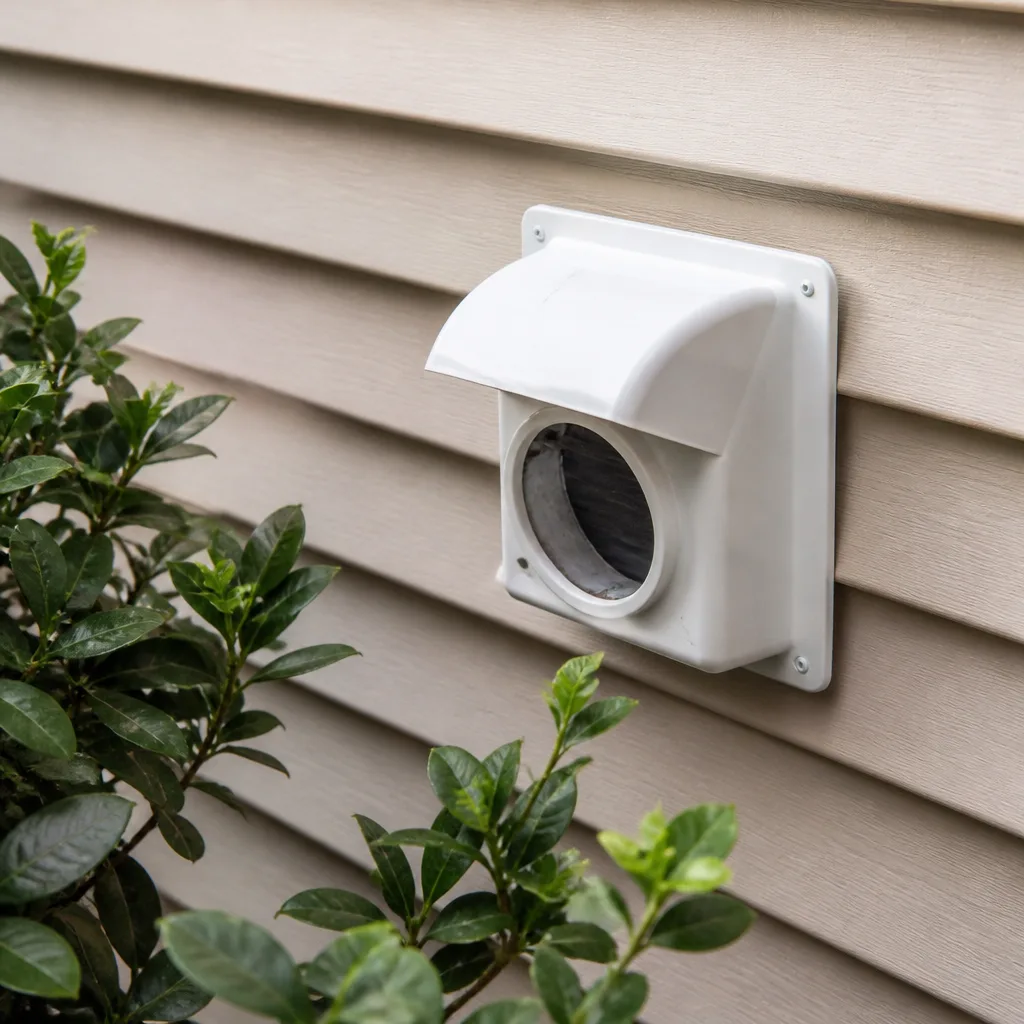 Dryer vent cleaning
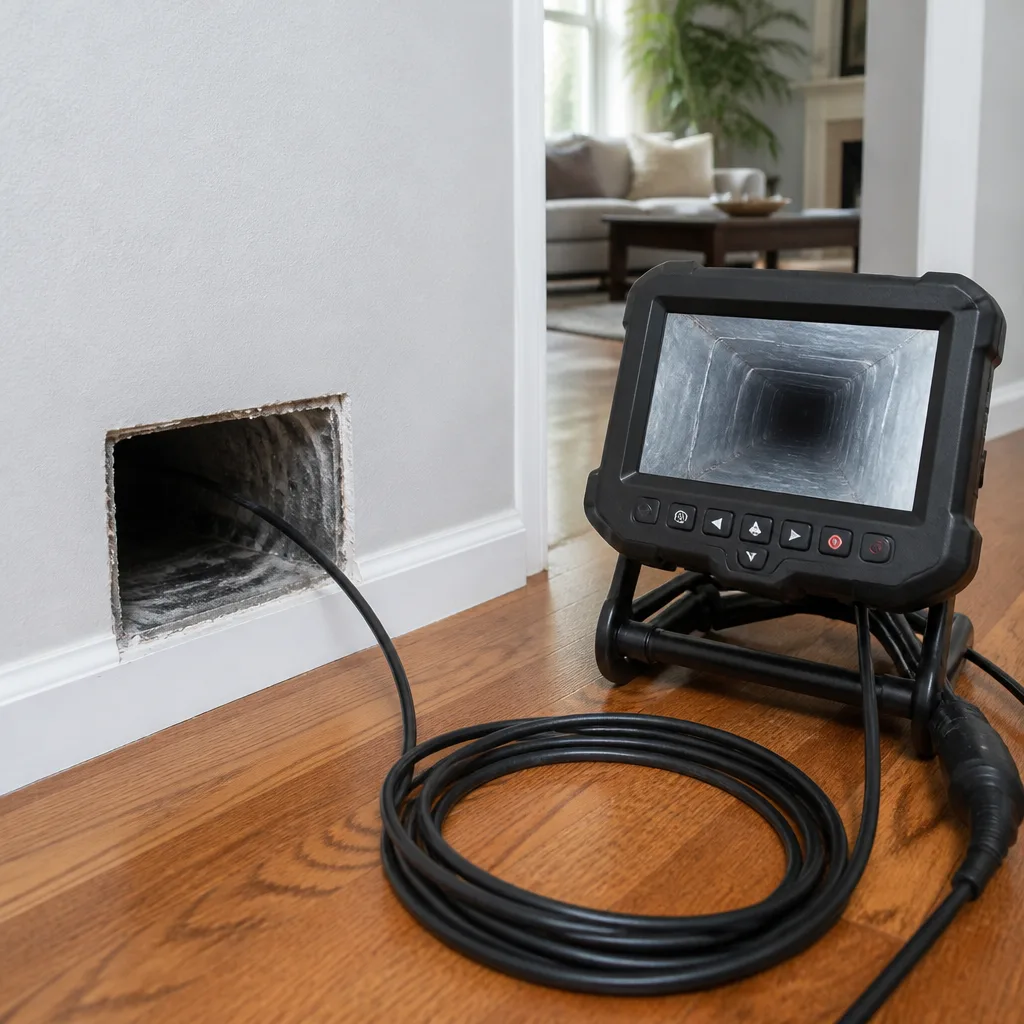 Camera inspection
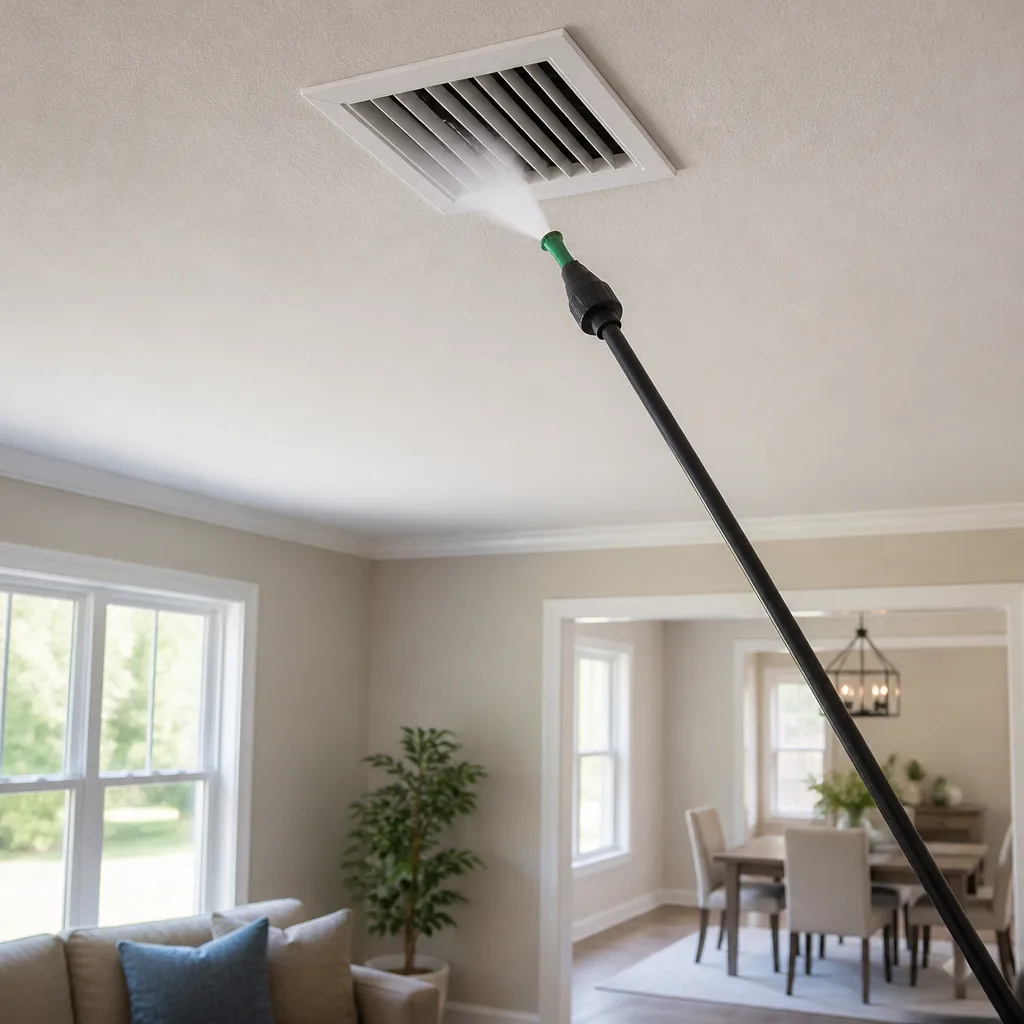 Sanitizing & deodorizing
Whole-system duct and dryer vent check with before-and-after photos - you see exactly what came out of your vents
That "$99 whole-house special" is a bait ad - the real number appears once they are in your hallway, or the "clean" is a shop-vac at the register. We photograph the inside of your ducts before and after instead.
Choosing the Right Air Duct Cleaning Brand: A Buyer’s Guide for Syracuse
Most homeowners pick a duct cleaner the way they pick a pizza place: whoever shows up first with a decent logo. That works for pizza. It doesn’t work for the network of ducts running through your walls, because the thing that actually determines whether the job gets done right isn’t a brand name on a magnet. It’s the equipment platform the crew arrives with, the standard they were trained to, and whether they can identify a problem instead of just vacuuming around it. A shop vac with a brush duct-taped to the hose and a 16,000 CFM negative-air truck mount look the same on a website. They aren’t the same job. In this guide we’ll walk through the technical brand signals that predict quality in Syracuse, from equipment to certifications to how you read reviews for what really happened on site.
Quick Answer
The best air duct cleaning brand in Syracuse is the one running professional-grade contact-vacuum and negative-air equipment, staffed by technicians trained to a recognized standard, and offering the full duct ecosystem (cleaning, sanitizing, repair, sealing) rather than cleaning alone. Franchise recognition tells you almost nothing; equipment platform and scope of service tell you nearly everything. Verify a provider’s tools, training, and service menu before you book, and ask for before-and-after photos of your own system.
Styles & brands we work with
- Whole-home duct cleaning
- Dryer vent cleaning
- Camera inspection
- Sanitizing & deodorizing
Table of Contents
- Why the Equipment Platform Is the Real Brand Signal
- Certifications Decoded: NADCA, ASCS, and the Self-Issued Badge
- Full-Ecosystem Providers vs. Cleaning-Only Providers
- How to Read Reviews for Duct Cleaning Specifically
- Local Specialists vs. National Chains in the Syracuse Market
- What Syracuse’s Climate and Housing Stock Mean for Your Ducts
- The Questions That Separate Specialists from Generalists
Why the Equipment Platform Is the Real Brand Signal
When you evaluate a Syracuse Air Duct Cleaning Pros service, start with what rolls into the driveway. In duct cleaning, the equipment platform is the single clearest indicator of a company’s investment level, and investment level predicts how seriously they take the work. A truck-mounted vacuum system or a professional contact-vacuum brush system like the Rotobrush line generates the airflow and mechanical agitation needed to actually dislodge debris from duct walls, not just skim the loose dust floating near a register. Entry-level portable setups move a fraction of that and often can’t reach the far branches of a branched system at all.
There’s a second piece most homeowners never hear about: containment. Dislodging years of dust without controlling where it goes just redistributes it into the room you’re standing in. Professional crews run negative-air machines like Nikro units to keep the work zone under controlled airflow, and some bring standalone air filtration devices such as Abatement Technologies scrubbers to protect indoor air quality while the job is in progress. “We contain what we dislodge” isn’t a slogan. It’s a mechanical reality you can verify by asking what equipment a company brings inside.
Third piece: video inspection. A camera pushed through the trunk line is how a crew confirms what’s actually in there and, just as importantly, documents what they removed. Companies that skip inspection can’t show you a before-and-after, because they never had a “before.”
What to ask about equipment:
- Do you use a truck-mounted or contact-vacuum system, or a portable unit?
- What negative-air or containment equipment runs during the service?
- Do you inspect the ductwork with a camera before and after?
- How do you seal the system to keep debris out of the living space?
None of those answers require you to understand the engineering. You just need to hear a specific, confident answer instead of a general one. In duct cleaning, the equipment platform is the brand signal. The logo is just marketing.
Certifications Decoded: NADCA, ASCS, and the Self-Issued Badge
Certifications in this industry are one of the most misunderstood pieces of the buying decision. Here’s the short version: the National Air Duct Cleaners Association (NADCA) is the recognized trade body, and it publishes standards (notably the general cleaning standard known as ACR) that define what a legitimate job should involve. Membership and individual certification are different things, and a company’s own website can claim anything, so verifying independently matters.
Here’s how the badges usually break down:
- NADCA membership. The company belongs to the association and agrees to its standards. Useful, but it’s an organizational affiliation, not proof that every technician on your job is trained.
- NADCA ASCS (Air Systems Cleaning Specialist) certification. An individual technician has passed a credential exam and holds continuing education. This is the stronger signal, because it attaches to a person, not a page.
- Self-issued certification. A company trained its own people and issued its own certificate. Not worthless, but not independent either. Ask what independent body verifies the training.
For a buyer in Syracuse, the practical move is simple: ask which technicians on the job are certified, by whom, and whether the certification is the association’s or the company’s. A specialist will answer in a sentence. A generalist will pivot to price.
The related credential people forget is safety. dryer vent cleaning addresses a leading cause of residential fires. Any company that treats it as an add-on, or outsources it, is telling you they don’t see the safety half of the job. Specialists handle it because it’s the same duct logic: airflow, restriction, and risk.
Full-Ecosystem Providers vs. Cleaning-Only Providers
Think of your duct system as a pathway from the HVAC unit through every branch, termination, and return. Cleaning-only providers clean that pathway and stop. Full-ecosystem providers clean it, then diagnose, repair, seal, and improve it. The difference matters most when cleaning turns up a problem, because a cleaning-only company has to either outsource the fix or tell you there’s nothing to see.
A full-scope air duct cleaning provider can address what the inspection revealed. That might mean sealing a leaking joint, repairing a disconnected section of flex duct, cleaning the HVAC unit itself with HVAC cleaning, or upgrading filtration and airflow components with air-quality products from Honeywell or Aprilaire. The point isn’t to sell you more. The point is that a technician with an abatement, repair, and air-quality toolkit knows what to look for in the first place, so the cleaning job doesn’t become a second company’s diagnostic fee.
Signs you’re dealing with a full-ecosystem provider:
- They inspect and document the system before and after cleaning.
- They can repair and seal ductwork, not just vacuum it.
- They offer post-cleaning sanitizing as a defined step, not a surprise add-on.
- They can integrate filters and air-quality components from recognized manufacturers.
- They handle dryer vents as a standalone service.
If a company’s entire service menu is “duct cleaning,” ask who they’d refer you to if they found a disconnected return or a damaged trunk. Their answer tells you whether they’re a specialist or a reseller.
How to Read Reviews for Duct Cleaning Specifically
Online reviews are useful, but not for the reason most people think. Star averages are noisy and easily gamed. What separates a real technical review from a vague one is the specificity of what the reviewer actually saw. Read for detail, not for the score.
Signals of a real technical job in a review:
- Mentions of a specific piece of equipment, negative-air containment, or a camera inspection.
- A description of visible debris coming out of the system, or of the before-and-after photos shown during the visit.
- Comments on airflow changes after the job (a specific room that finally heats the same way).
- Notes on sealing, repair, or a dryer vent that was addressed separately.
- Any mention of a clearly explained flat price agreed before work started.
Signals of a vague or inflated review:
- “Great service, very professional” with no description of what the crew actually did.
- Reviews that repeat the company’s own phrasing almost word for word.
- A cluster of short, near-duplicate five-star entries in a short window.
- Enthusiastic language but no mention of what was cleaned, inspected, or photographed.
Homeowners in Syracuse and Utah generally value clear explanations over salesmanship, and the reviews that reflect actual jobs tend to read that way: plain, specific, occasionally technical, and honest about what the crew found. If a company’s reviews could apply to any service (plumbing, landscaping, moving), they probably aren’t telling you much about duct work.
Local Specialists vs. National Chains in the Syracuse Market
The choice between a local specialist and a national franchise isn’t automatically one or the other. Each model standardizes some things and sacrifices others, and the right pick depends on what you value.
What national franchises standardize well: consistent training materials, a branded process, and a uniform customer experience across markets. When the model works, you get predictable service and scripted expectations.
What they frequently sacrifice: equipment flexibility (a fixed package that has to fit every home style), genuine local knowledge (the housing stock in Syracuse isn’t the same as the housing stock in a coastal metro), and a sales script that sometimes produces upsell pressure the job didn’t call for. A franchise that needs to hit a revenue target per truck can nudge toward add-ons you don’t need.
What local specialists typically offer: a smaller, tighter scope, a technician who knows the difference between a 1960s rancher and a newer build, and a service model that can flex to what your specific system actually requires. The trade-off is that “local” isn’t automatically better. You still verify equipment, certification, and scope.
One useful test in Syracuse: ask how the company would handle ductwork in a house with a partially finished basement and a long trunk run. A generalist will answer generically. A local specialist will ask which side of the house the HVAC unit sits on, then tell you what they’d expect to find. That level of specificity is the practical difference.
What Syracuse’s Climate and Housing Stock Mean for Your Ducts
Duct systems are shaped by the climate they live in, and Syracuse has a particular combination worth understanding. Inland Utah seasons are hard on ductwork in ways coastal and desert metros aren’t. Cold winters with significant indoor heating hours mean your furnace or heat pump cycles nearly continuously for months, and every cycle moves air through the same ductwork, which gradually deposits fine dust, construction debris, and drywall residue along the trunk and branch lines. Summer cooling cycles then push that same dust through the return system.
The practical result: duct systems in Syracuse tend to accumulate soil faster on the supply side and see more return-side filtering pressure than systems in milder climates. Add the region’s dry summer air and occasional spring dust, and the case for periodic inspection is stronger here than in a place you could keep the windows open year-round. That’s not a scare tactic. It’s how air, dust, and filtration interact in this part of Utah.
Housing stock adds a second layer. Newer construction in Syracuse often uses more flex duct with longer runs and tighter routing, which can collect debris at the turns and joints. Older homes may have rigid metal ductwork with decades-old accumulations and seams that leak. Neither is unusual. Both mean that a cleaning company working without a camera or a containment system is guessing about your specific layout. A specialist inspects first and cleans second.
What to check in this climate:
- Filter replacement frequency during the heavy heating and cooling months.
- Visible dust streaks around registers or ceiling vents.
- Noticeable airflow differences between rooms.
- Odors that return shortly after a cleaning, which can indicate a moisture or sealing issue.
The Questions That Separate Specialists from Generalists
You now have enough context to run a short interview before you book anyone. The questions below are the ones we’ve found most useful for separating a real duct specialist from a company that added duct cleaning to its menu last quarter.
- “What equipment are you bringing into my house?” You want a contact-vacuum or truck-mount system plus negative-air containment. A portable unit and a shop vac means entry-level.
- “Do you inspect with a camera, and will I see before-and-after photos of my own system?” Real documentation, not stock images.
- “What certifications do your technicians hold, and by whom?” NADCA ASCS is the independent credential to listen for.
- “Do you repair and seal ductwork, or only clean it?” A full-ecosystem provider answers yes without a referral.
- “What’s included in the price, and is it a flat price per system?” No per-vent pricing, no surprises once the technician is inside.
- “Do you handle dryer vent cleaning yourself?” A specialist keeps it in-house; a generalist outsources it.
- “How do you protect my indoor air during the job?” Negative-air equipment and containment are the expected answers.
If a company can answer all seven clearly and with specifics, you’re dealing with a technical operator. If any answer is a variation of “don’t worry about it,” that is your answer.
Common Mistakes to Avoid
- Choosing on the lowest quote alone. A low bid often reflects a portable setup and no containment, which means less cleaning and more redistribution. The written estimate sets the final price for a reason; compare scope, not headline numbers.
- Assuming “licensed and insured” is the deciding credential. It’s table stakes in a trade regulated by the state, not a brand pillar. Ask about equipment and technical certification instead.
- Skipping the inspection question. If the company can’t show you what was in your ducts and what came out, you have no way to confirm the work.
- Ignoring the dryer vent because it’s separate from the HVAC. It’s a leading cause of residential fires, and treating it as an afterthought leaves a known hazard in place.
- Trusting the badge without verifying the certifying body. Self-issued certifications look official but don’t carry independent standards. Ask who issued it.
- Assuming a national name means better equipment. Franchises often standardize the package, not the maximum, and a smaller local specialist with a truck-mount system can do more for your specific home in Syracuse.
- Never asking how the company contains debris during service. Without negative-air equipment, what gets dislodged ends up in your living room rather than in a filter or HEPA collection system.
See the difference
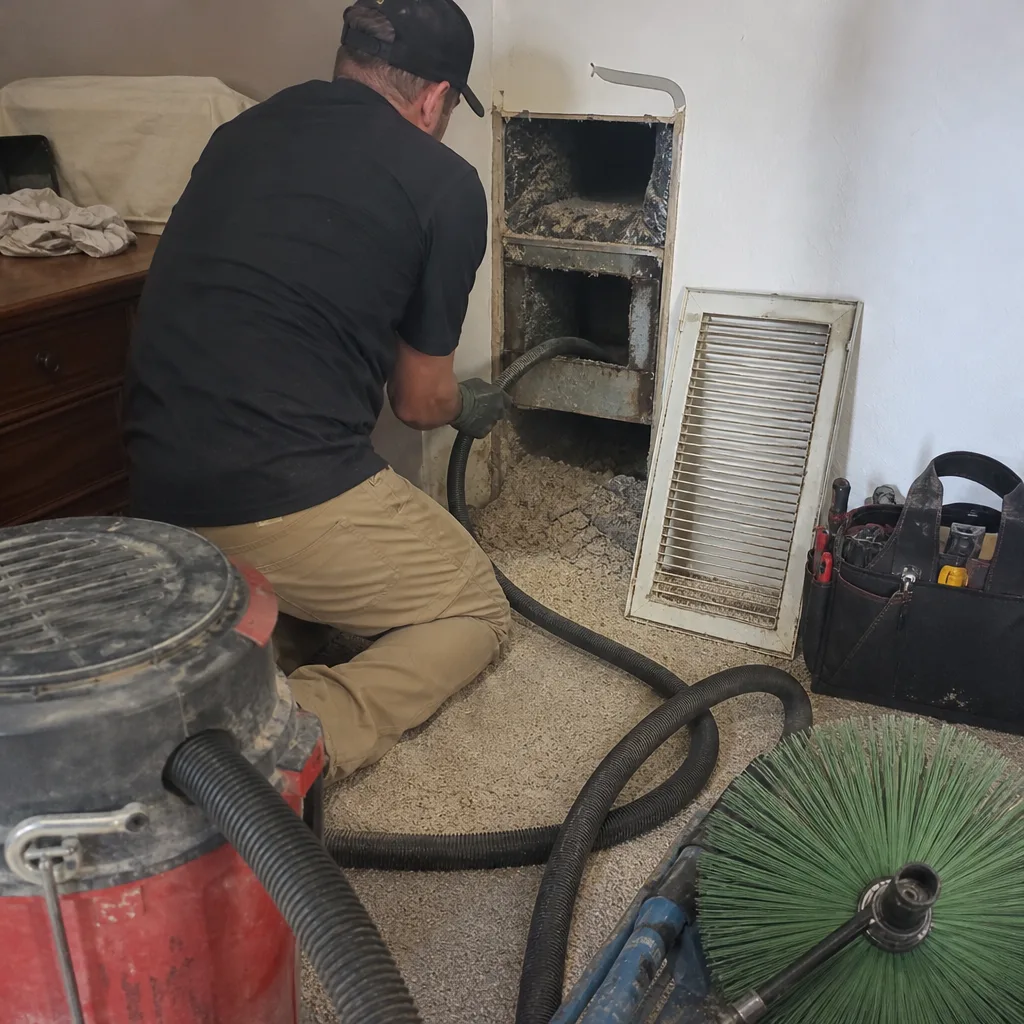 Before
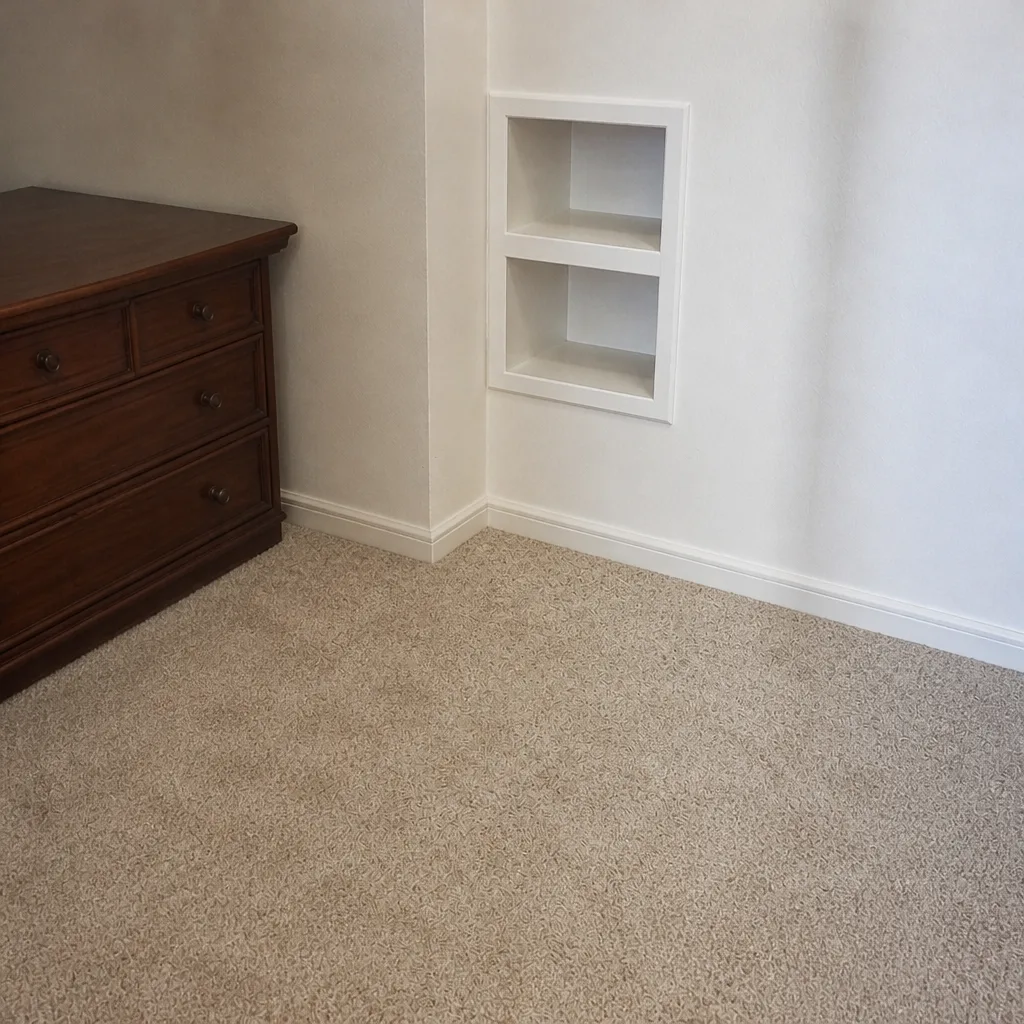 After
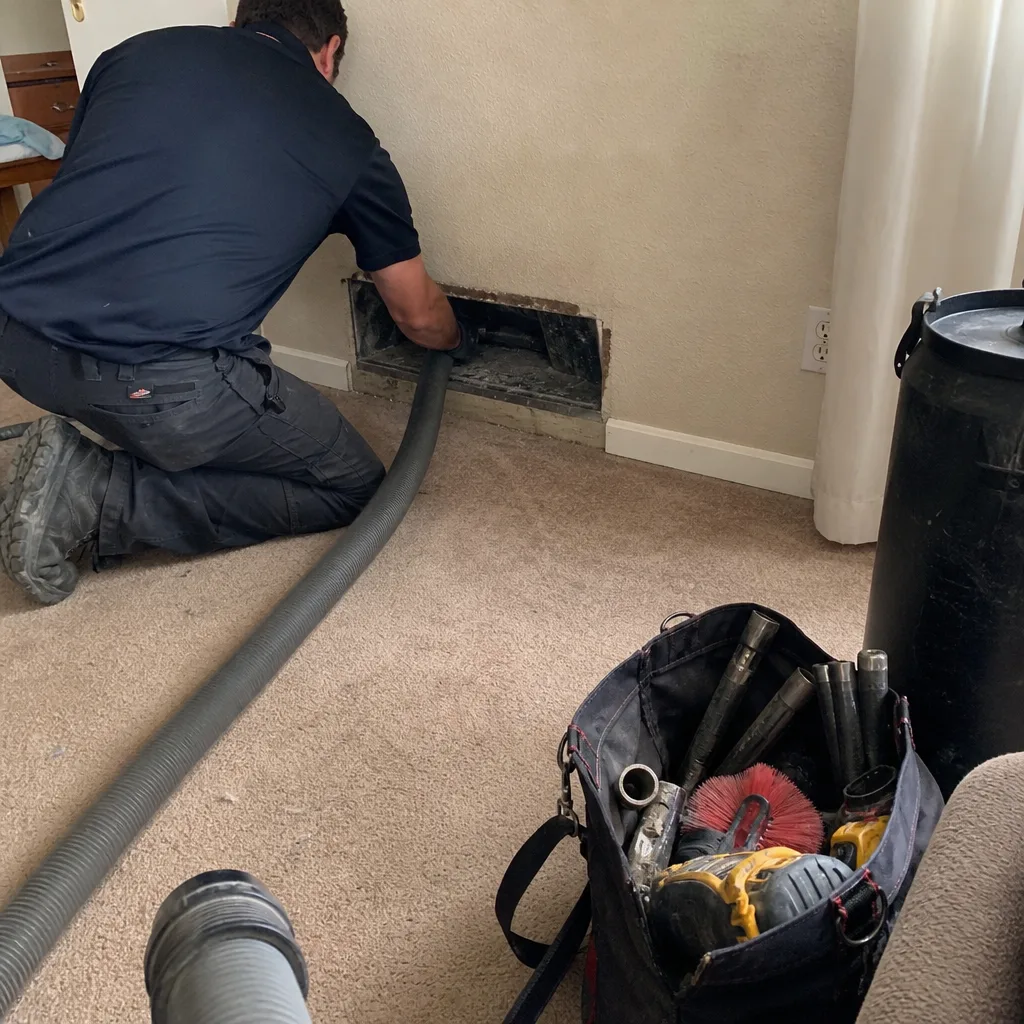 Before
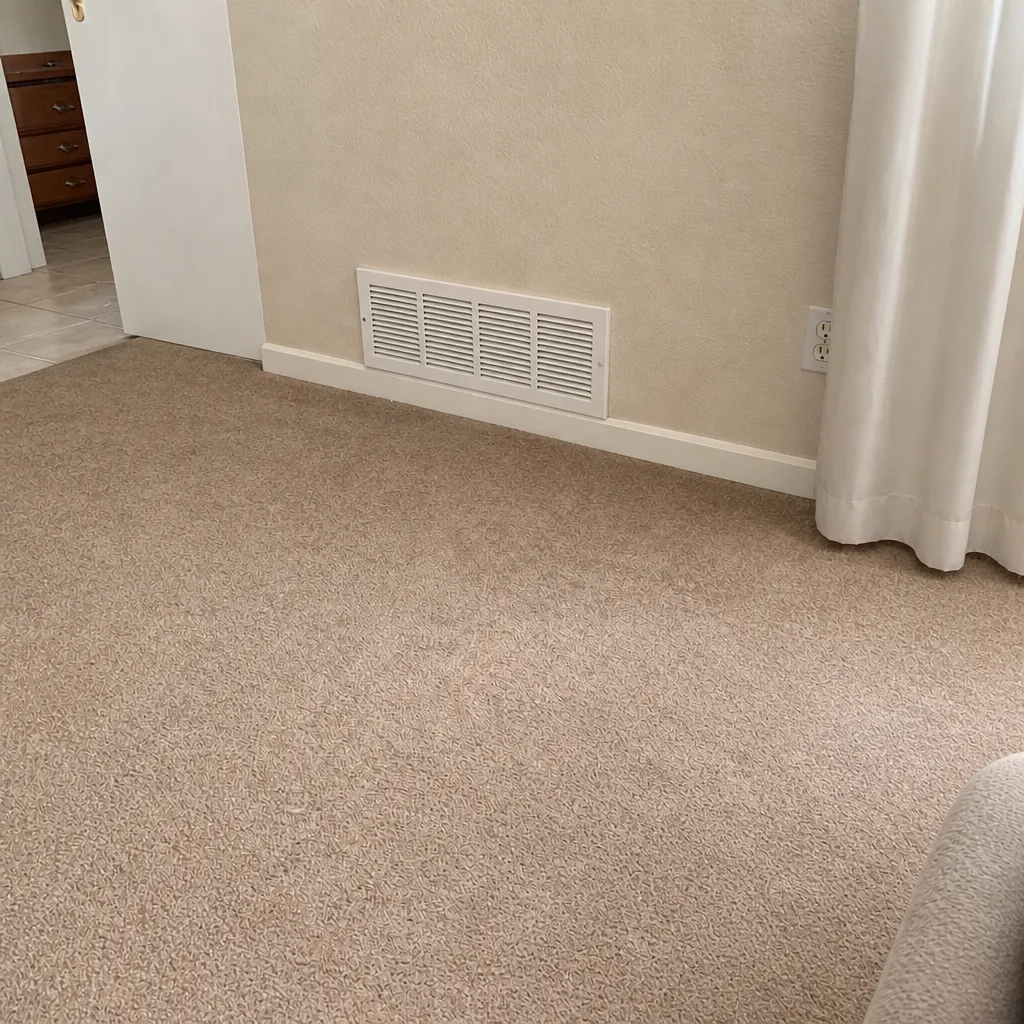 After
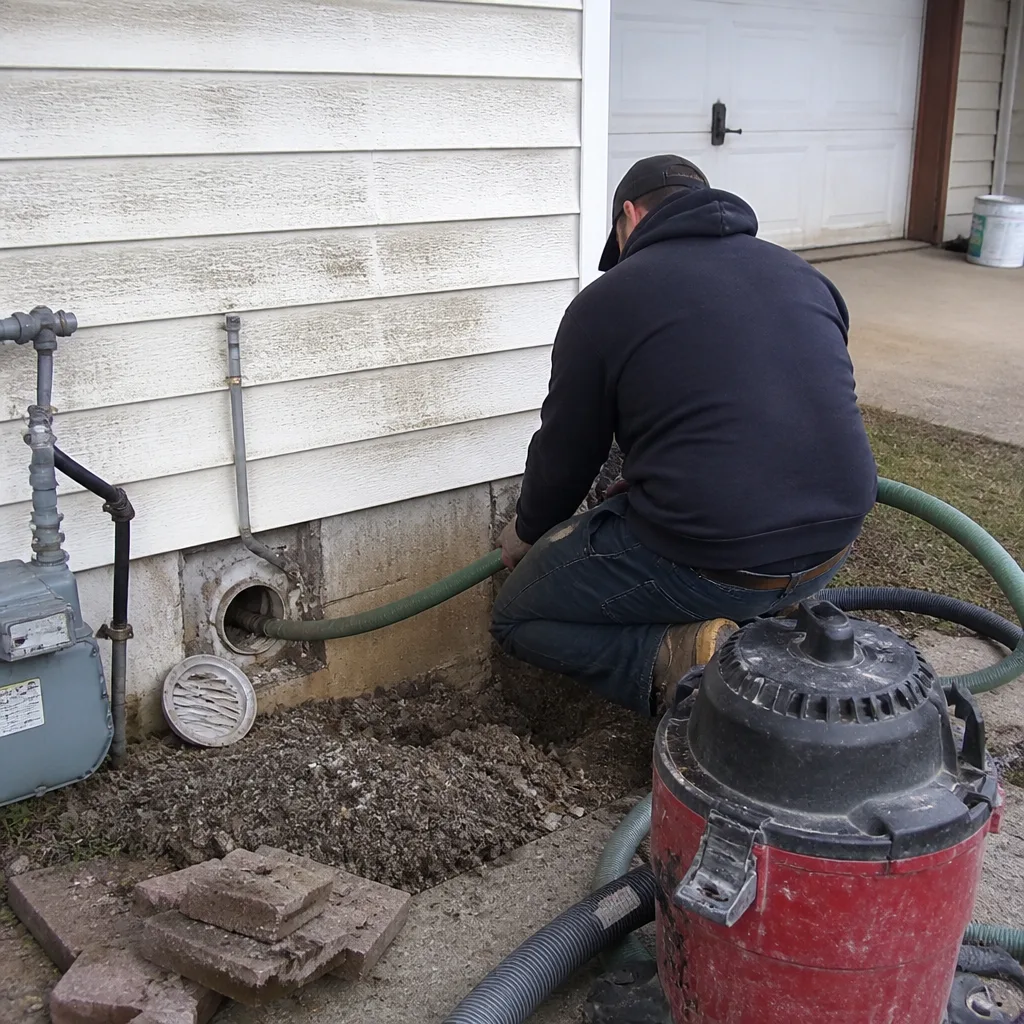 Before
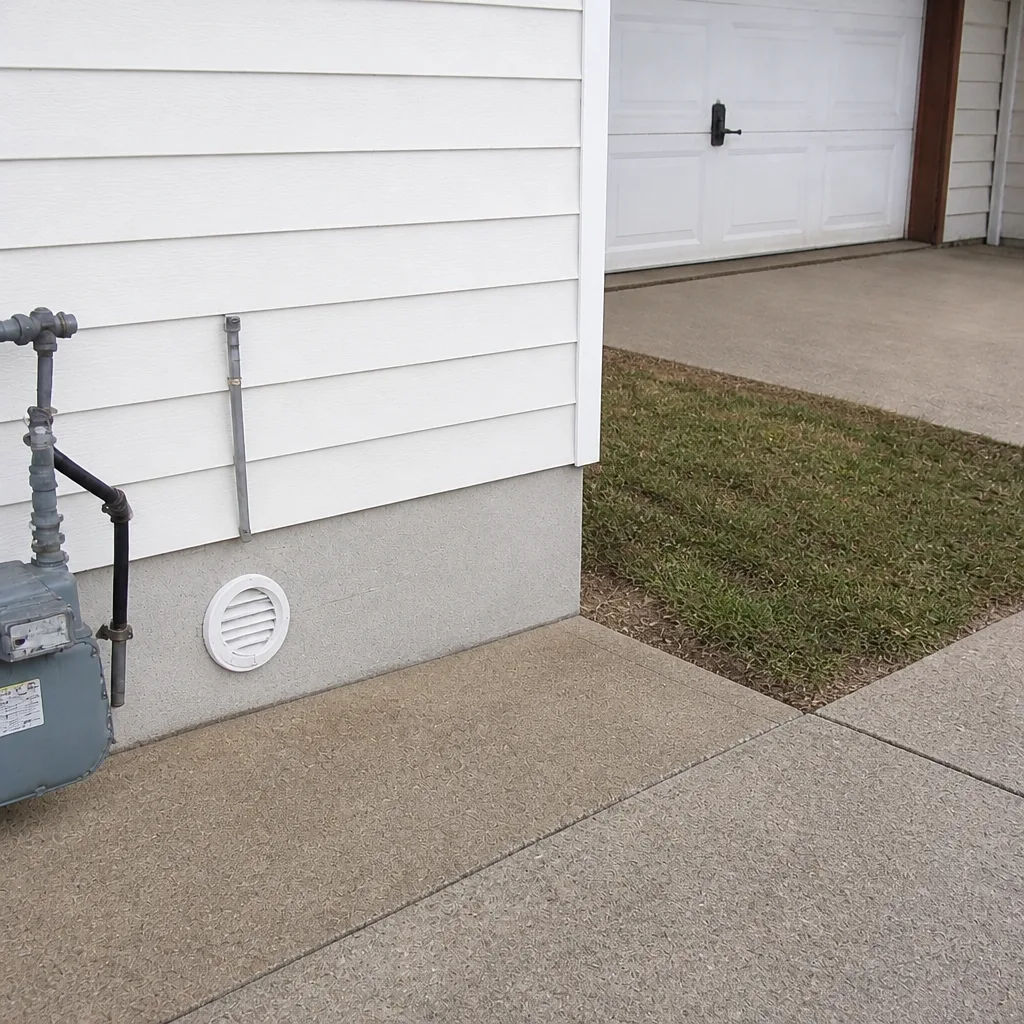 After
When to Call a Professional
Call a professional when the symptoms point at the system rather than the surface. That means visible dust streaking near registers, a room that never heats the same way as the rest of the house, musty or stale odors that return shortly after you clean, a recently completed renovation that filled the system with dust and drywall residue, a new-to-you home with an unknown service history, or a dryer that takes noticeably longer to dry a load than it used to. Those are the situations where an inspection answers the question and a generalist’s guess doesn’t. Syracuse Air Duct Cleaning Pros offers free estimates in Syracuse; call (833) 549-7193. We answer 24/7. Fast dispatch from 7am to 7pm, Sunday through Friday. One flat price per system is agreed before work starts, and you’ll see before-and-after photos of your own ducts so you know the job was done.
Frequently Asked Questions
Air duct cleaning in Syracuse typically runs in the hundreds of dollars for a whole-house system, and the exact figure depends on the number of systems, the length and complexity of the duct run, and whether repair, sealing, or sanitizing is included. We set one flat price per system based on a written estimate, never per vent, and the estimate is free. Call (833) 549-7193 for an exact quote; estimates are free.
Yes. NADCA (the National Air Duct Cleaners Association) publishes the industry’s recognized cleaning standard, and the ASCS credential is an individually held, independently issued technical certification. Membership alone is an organizational affiliation, so ask which technicians on your job hold the individual credential and who issued it. A specialist answers directly; a generalist tends to change the subject to price.
A sharply lower quote usually reflects a portable vacuum, no negative-air containment, and no camera inspection, which means less mechanical agitation, more redistribution of dust, and no documentation. You’re being quoted a different scope of work at a different investment level, not the same job at a better price. Compare equipment and containment, not headline numbers. Call (833) 549-7193 for a flat-price estimate on your system; estimates are free.
Ask for before-and-after photos of your own ducts and confirmation of what the inspection camera found. A specialist inspects, documents, and shows you the evidence. If a company can’t produce either, there’s no way to confirm the work beyond their word, which is exactly the bait-and-switch pattern this industry is known for. Call (833) 549-7193 to schedule an estimate on a specific system.
For most homes, inspection every few years is enough, with cleaning as needed based on what the inspection finds. In this climate, cold winters with heavy heating cycles and dry summers also affect how fast ductwork accumulates dust, so if you notice visible streaking at registers, uneven airflow between rooms, or odors that return quickly, that’s the signal to call. Call (833) 549-7193 to talk through your system; estimates are free.
No, and you shouldn’t need one. Dryer vent cleaning addresses a leading cause of residential fires, so a specialist keeps it in-house as a standalone service rather than outsourcing it. Our technicians have up to 12 years of experience, and we run the same containment and filtration approach on a dryer vent job as we do on a full duct system. Call (833) 549-7193 to book an estimate.
The Bottom Line
In air duct cleaning, the brand that matters is the technical one: the equipment platform, the independent certifications behind the crew, and whether the company covers the entire duct ecosystem or just parcel one out. A truck-mount or professional contact-vacuum system, negative-air containment such as Nikro equipment, air filtration devices from Abatement Technologies, and a service menu that includes cleaning, sanitizing, repair, sealing, and dryer vent work are the signals that predict a real job. Read reviews for specificity, verify certifications independently, and treat a suspiciously low quote as a scope change rather than a deal. If you’re ready to put this framework to work on your own home in Syracuse, call (833) 549-7193 for a free estimate. We answer 24/7. Fast dispatch from 7am to 7pm, Sunday through Friday.
Written by the team at Syracuse Air Duct Cleaning Pros.